
Itching is one of the most common—and most annoying—parts of the tattoo healing process. But is it normal, or something to worry about? In this guide, we’ll explore why your tattoo feels itchy, what’s causing it, and how to relieve the discomfort safely.
I. Is It Normal for Your Tattoo to Itch?
Yes — mild to moderate itching is a completely normal part of the tattoo healing process. Although it can be uncomfortable or even frustrating, it usually signals that your skin is regenerating and doing what it’s supposed to do.
Why Do Tattoos Itch During Healing?
As your body repairs the tiny wounds made during the tattooing process, new skin cells begin to form and the outer layers of your skin start to flake or peel. This regeneration stage often leads to dryness, tightness, and itching, especially between days 3 and 14.
In fact, an itchy tattoo is a positive sign that the skin is closing up — similar to how a scab on a scraped knee might itch as it heals.
When Does the Itching Start and Stop?
- For most people, itching begins around day 3 or 4 after getting the tattoo.
- It often peaks during week 2, particularly as the tattoo scabs or skin flakes away.
- Mild itchiness can persist up to 3–4 weeks, depending on your skin type and aftercare routine.
However, the type and intensity of itching matters. While light tingling and dryness are to be expected, intense itching accompanied by redness, bumps, or discharge could signal a problem—which we’ll cover in the next section.
II. Common Causes of Tattoo Itching (New & Old Tattoos)
While some itching is completely normal during the healing process, there are several possible reasons why your tattoo might itch — whether it’s freshly inked or years old. Understanding the cause will help you manage the discomfort more effectively and identify when something isn’t right.
Normal Healing Itch
Mild itching during the first 1–3 weeks is part of your body’s natural healing process. As the skin regenerates, it can become dry, tight, and flaky, especially during the peeling phase (usually between days 5–15). If your tattoo is itchy but not painful, swollen, or red, this is typically no cause for concern.
Signs it’s normal:
- Light flaking or peeking scabs
- Surface itchiness, especially in dry environments
- Itch that improves with fragrance-free moisturizer


Allergic Reactions to Tattoo Ink
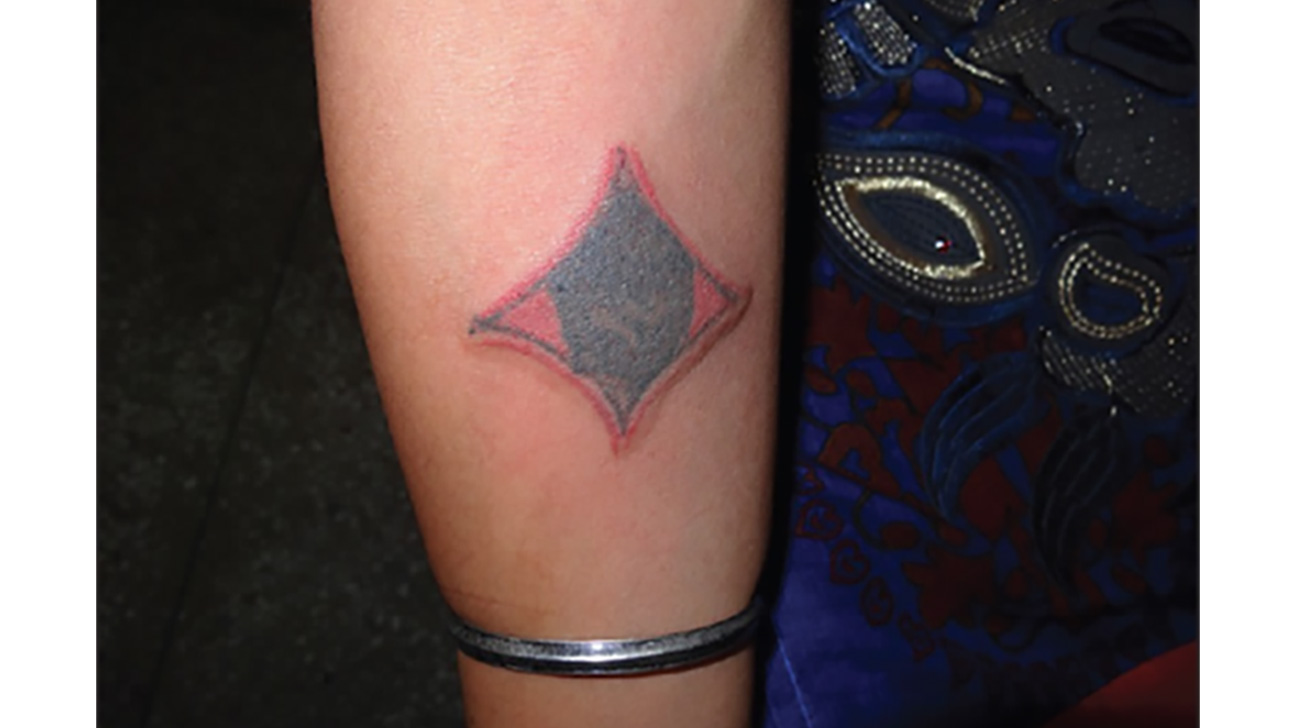
In some cases, people may experience allergic reactions to certain pigments—most commonly red, yellow, and other bright-colored inks. These reactions can occur shortly after tattooing or even weeks later, and may include:
- Persistent itching and redness
- Bumps or rashes on or around the tattoo
- Raised areas or inflammation, especially with sun exposure
If you suspect you’re reacting to the ink itself, it’s important to seek advice from your artist or a medical professional.
Skin Irritation from Aftercare Products or Environment
Even if your tattoo is healing well, your skin can still be sensitive to certain products or conditions:
- Harsh soaps, fragranced lotions, or alcohol-based products
- Sweat, heat, or friction from tight clothing
- Dry weather, dehydration, or too much time in air conditioning
Try to stick with gentle, pH-balanced skin care and protect your tattoo from environmental triggers.
Why Old Tattoos Might Itch Months or Years Later?
Itching isn’t just a new tattoo problem. Many people report that healed tattoos suddenly become itchy, even years after they were done. Some common reasons include:
- Seasonal dryness or changes in humidity
- Skin conditions like eczema or dermatitis affecting the tattooed area
- Delayed allergic reactions to tattoo ink, often triggered by heat or sun exposure
- Excessive UV damage or irritation from skin products
Most of the time, moisturizing and protecting your skin will resolve the issue. But if the itching persists or worsens, it’s best to consult a doctor or dermatologist.
III. When Itching Is a Red Flag: Signs of Infection or Complications
While some itching is completely normal during the healing process, it’s important to recognize when that itch might indicate a problem. In rare cases, excessive or persistent itching can be a sign of infection, an allergic reaction, or an underlying skin issue that needs medical attention.
Warning Signs to Watch Out For
Here are some symptoms that may suggest your tattoo is not healing properly:
- Itching that becomes more intense over time, especially after the first two weeks
- Redness that spreads beyond the tattooed area or gets worse
- Swelling that doesn’t go down or begins after initial healing
- Fluid discharge, especially yellow, green, or foul-smelling pus
- Skin that feels hot to the touch, even several days after getting the tattoo
- Fever, chills, or body aches
- Raised bumps, rashes, or hives around or on the tattoo
- Persistent pain, burning sensation, or tenderness
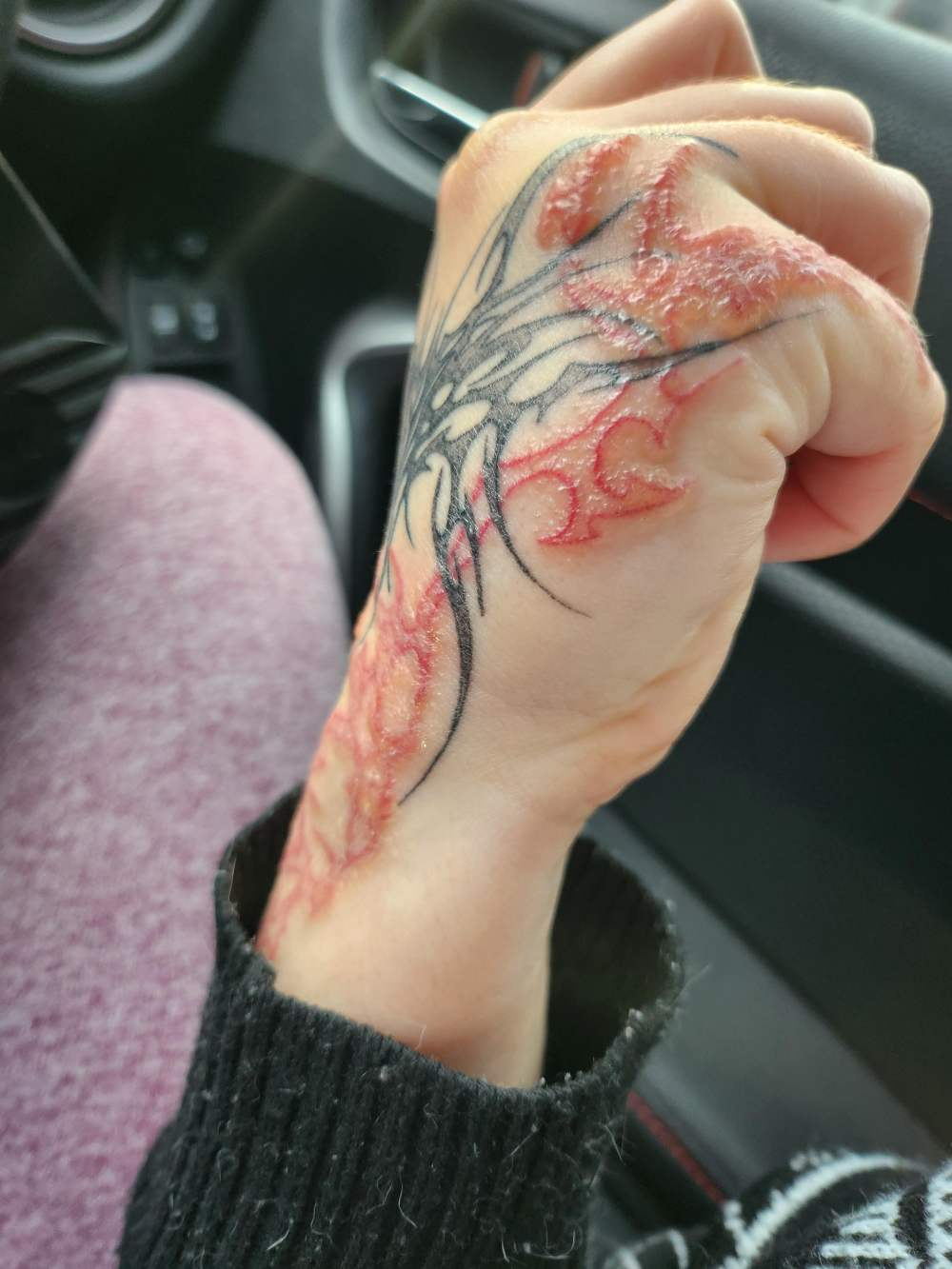
These signs could point to an infection, contact dermatitis, or an allergic reaction to the ink. Early identification is essential if you want to preserve your tattoo and prevent serious complications.
When to Contact a Tattoo Artist or Doctor
If you’re unsure whether what you’re experiencing is normal, it’s always better to ask. Reach out to your tattoo artist first—they’ve seen countless healing tattoos and can help you determine if everything looks okay. If symptoms worsen, don’t hesitate to contact a medical professional, especially if you experience sharp pain, oozing, or signs of a systemic reaction.
Remember, catching a complication early often means simpler treatment and better long-term results for both your tattoo and your health.
IV. What to Do When Your Tattoo Feels Itchy
When your tattoo starts itching—especially during the peeling stage—it’s tempting to scratch, rub, or touch it. But doing so can damage your skin, disrupt the healing process, and even cause permanent scarring or ink loss. Fortunately, there are safer ways to manage the itch and keep your tattoo intact.
Safe Ways to Relieve Itchy Skin
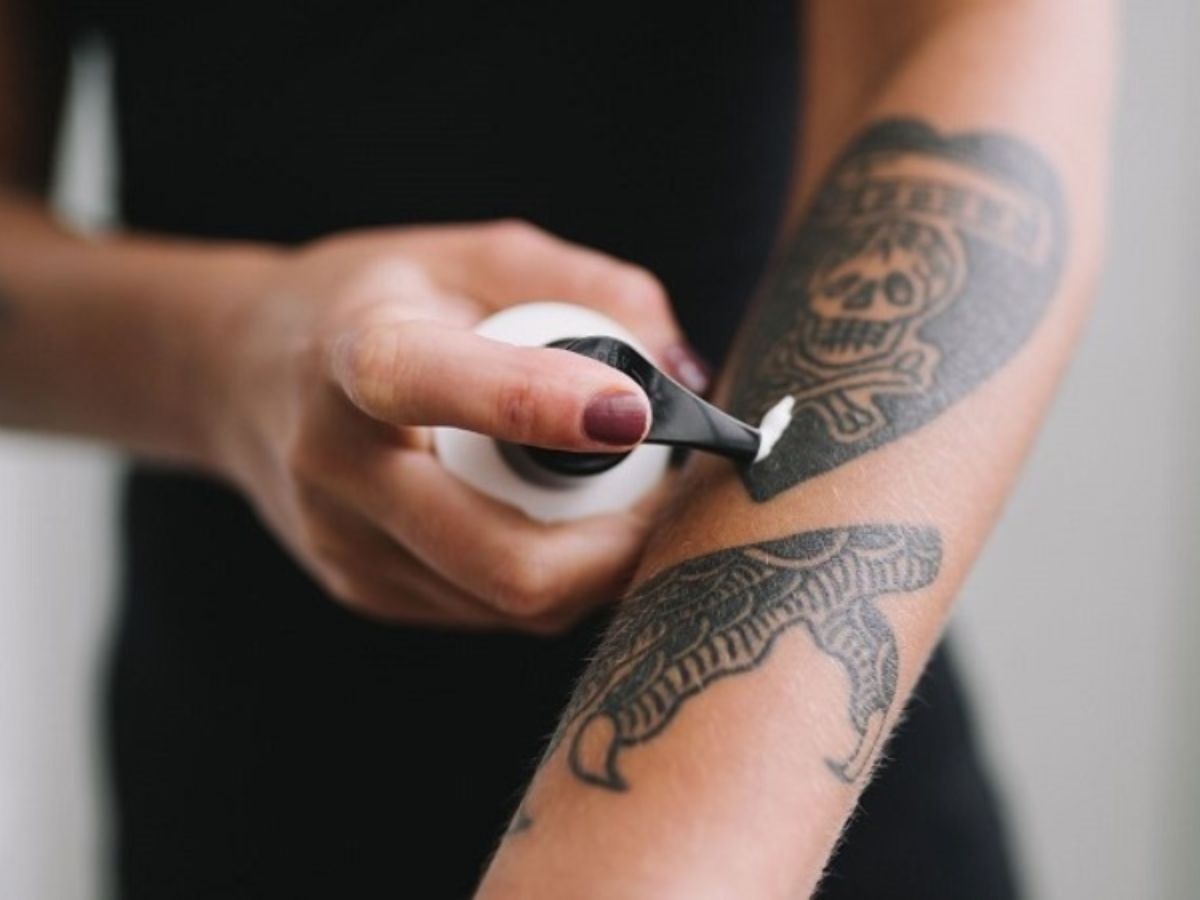
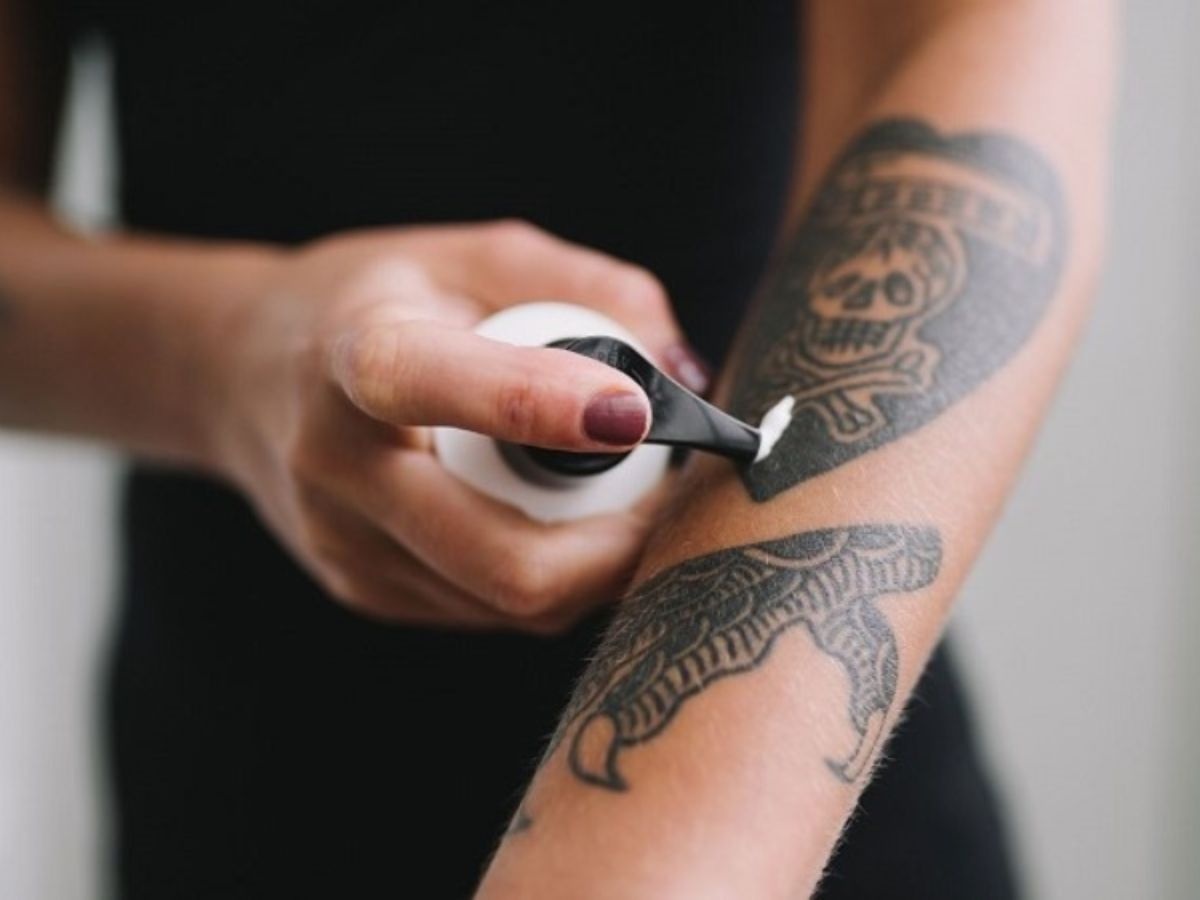
- Moisturize regularly: Dry skin is one of the most common reasons tattoos itch. Apply a thin layer of an unscented, alcohol-free moisturizer made for sensitive or tattooed skin. Don’t overdo it; too much lotion can suffocate the skin and delay healing.
- Clean gently: Make sure the tattooed area is clean. Wash with lukewarm water and a mild, fragrance-free soap. Rinse and pat dry with a clean towel or paper towel.
- Cool the area: Applying a clean, cold compress for a few minutes can help calm inflammation and reduce the itching sensation. Never apply ice directly to the skin.
- Distract yourself: Keep your hands busy or cover the tattoo loosely with clothing if you tend to scratch subconsciously.
- Choose soft, breathable clothing: Minimize friction on the tattoo to reduce irritation and sweating.
- Take short, lukewarm showers: Avoid long hot showers that can dry out your healing skin further.
What to Avoid During the Healing Process
- Don’t scratch, pick, or slap the tattoo: No matter how itchy it feels, resist touching. Scratching can remove healing layers of skin and lift scabs prematurely, potentially pulling ink out with them.
- Avoid strong skincare products: Stay away from lotions with alcohol, perfumes, retinoids, or exfoliants. These can irritate the healing skin or even cause chemical burns.
- Avoid sun exposure: UV rays can worsen any irritation and may permanently fade the ink. Always shield your tattoo from direct sunlight until it’s fully healed.
- Don’t submerge your tattoo: Pools, hot tubs, and baths introduce bacteria and excessive moisture that interfere with healing.
- Knowing how to relieve itching appropriately can make your healing process more comfortable and prevent long-term skin or tattoo damage.

V. Long-Term Tattoo Care to Prevent Future Itching
Even after your tattoo has fully healed on the surface, long-term care is essential for keeping both your skin and your ink healthy. An itchy tattoo weeks, months, or even years later isn’t always cause for concern—but it could be a sign your skin needs more attention or protection.
Maintain Hydrated and Healthy Skin
Dry skin is one of the most common culprits behind recurring tattoo itchiness. As your skin regenerates and cycles naturally, maintaining moisture helps prevent irritation, especially in colder or drier climates.
- Use a gentle, fragrance-free moisturizer daily, even after the tattoo is fully healed.
- Drink plenty of water to support overall skin elasticity and hydration.
- Exfoliate the surrounding skin lightly (but not directly over the tattoo) from time to time to reduce dead skin buildup without disrupting the ink.
Healthy skin supports a vibrant, itch-free tattoo—especially for larger pieces or ones with heavy color saturation.

Sun Protection and Skin Checkups
UV exposure not only fades tattoos over time but also increases skin sensitivity, triggering itching, dryness, or raised texture.
- Always apply a high-SPF sunscreen (SPF 30 or higher) to healed tattoos when they’re exposed to sunlight.
- Wear protective clothing in harsh sun, especially for older tattoos.
- Pay attention to raised, bumpy, or newly itchy areas that appear months or years later. These could be signs of a delayed ink allergy, dermatitis, or another skin condition.
If an old tattoo becomes persistently itchy or irritated, consult with a dermatologist to rule out any underlying issues. Catching and treating minor skin problems early will help you keep your tattoo looking clean, vibrant, and comfortable for years to come.
Whether you’re dealing with a fresh tattoo or managing an old piece that’s suddenly itchy, OCD Ink Studio is here to guide you through every stage of aftercare. From expert insight to personalized support, we’re committed to helping your ink heal beautifully and stay vibrant for years to come.