A tattoo heals on the surface in about 2 to 4 weeks, and finishes healing in the deeper skin layers over 3 to 6 months. The visible process runs through four predictable phases: oozing and swelling in the first days, scabbing and itching through week two, peeling and a cloudy “milky” look through week three, and final settling after that.
This guide is the full timeline, day by day, with a triage table for telling normal healing apart from a genuine problem. It also covers what changes when you are healing a tattoo in a hot, humid climate or while travelling, which is where most aftercare advice written for Europe or North America stops being accurate.
The Healing Timeline at a Glance
| Stage | When | What you will see | What matters most |
| 1. Open wound | Days 1 to 6 | Redness, swelling, warmth, plasma and ink weeping | Keep it clean and covered as instructed |
| 2. Scabbing and itching | Days 7 to 14 | Thin scabs form, itching begins, colours look dull | Do not scratch or pick |
| 3. Peeling and milky skin | Days 15 to 21 | Flaking like sunburn, tattoo looks cloudy or faded | Let skin fall away on its own |
| 4. Settling | Weeks 3 to 6 | Surface closes, clarity returns, mild dryness | Sun protection from here onward |
| 5. Deep healing | Months 2 to 6 | Nothing visible; ink stabilises below the surface | Wait before judging whether a touch-up is needed |
How fast you move through these depends on four things: size and placement (hands, feet and joints take longest because they flex), style and ink density (fine line trauma is minor, heavy colour packing is not), your own skin and general health, and how disciplined your aftercare is.
Stage 1: Open Wound (Days 1 to 6)
A tattoo is thousands of controlled punctures. For the first few days it behaves exactly like any other open wound, and it should be treated as one.
What is normal: redness around the outline, swelling that peaks at 24 to 48 hours, warmth, tenderness, and a mix of clear plasma and excess ink weeping from the surface. Coloured fluid on your bandage looks alarming and almost always is not. If bleeding is what is worrying you specifically, we cover normal versus excessive in detail in why a tattoo bleeds and when to worry.
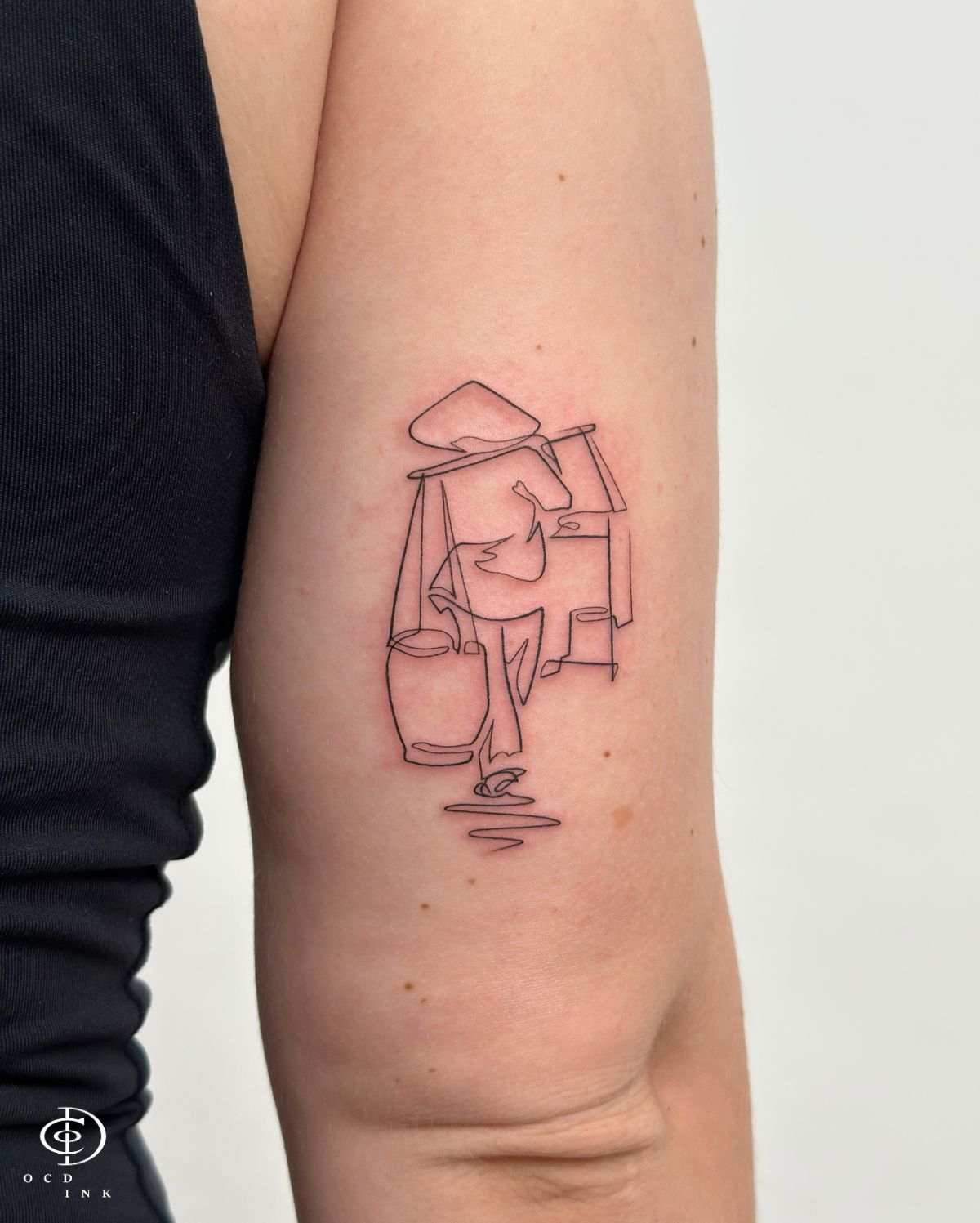
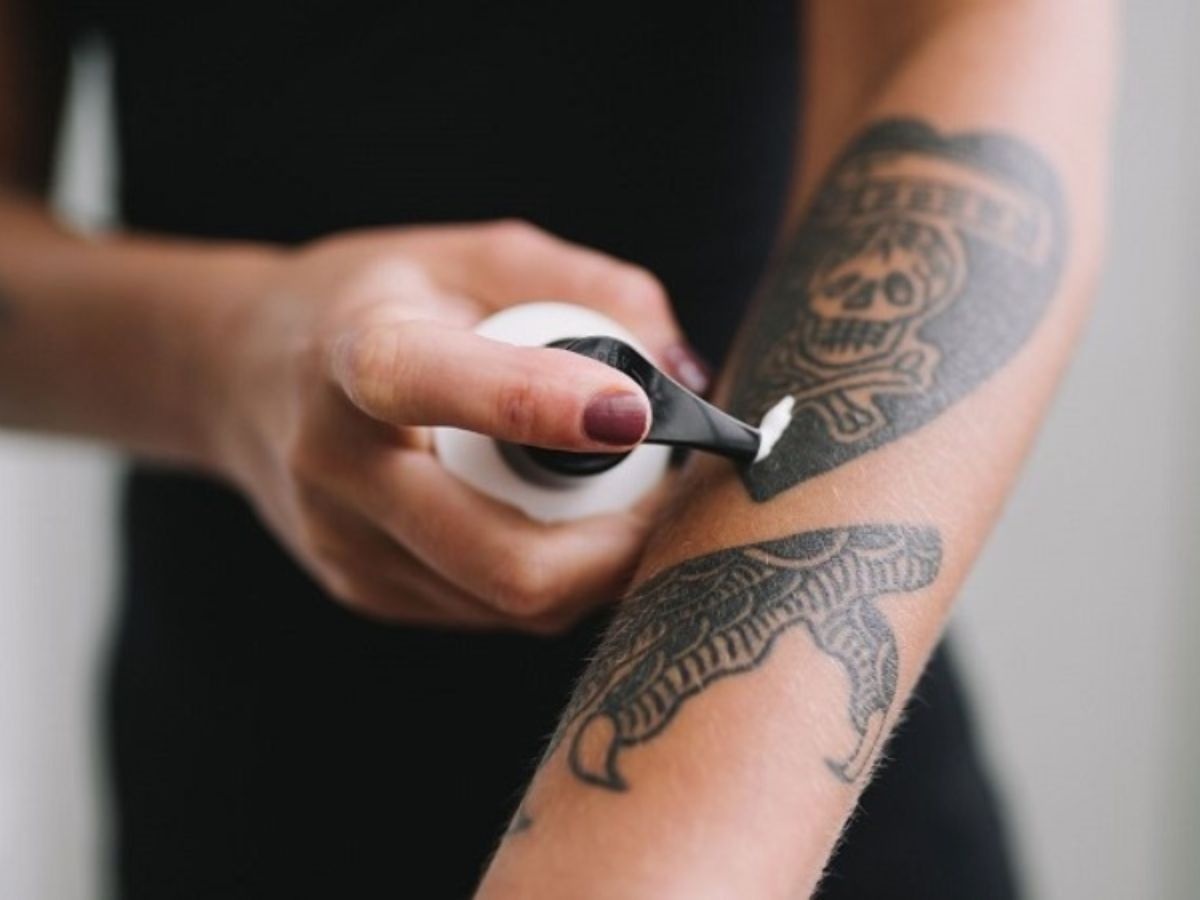
What to do: wash gently with lukewarm water and fragrance-free antibacterial soap, pat dry with clean paper towel rather than a cloth towel, and apply a thin layer of aftercare ointment. Thin is the operative word. A thick layer traps moisture and slows healing rather than speeding it.
If you have a second skin film: the timeline shifts. A protective film worn for the first 48 to 72 hours collects plasma and ink underneath, which looks unpleasant and is normal. You skip the daily washing routine while it is on. When it comes off, you are effectively already at the end of Stage 1.
Stage 2: Scabbing and Itching (Days 7 to 14)
Thin scabs form as the skin knits back together, and the itch starts. This is the stage where most tattoos are damaged, because the itch is genuinely difficult to ignore and one hard scratch can lift a scab and pull the ink out with it.
What is normal: flat, thin scabs; itching that comes and goes; the tattoo looking noticeably duller than on day one. Colours flattening at this stage is expected and reverses later.
What is not normal: thick, raised, or dark scabs, which usually mean the skin was worked too heavily. Itching that intensifies rather than fading, or itching accompanied by a raised rash, is a different problem. Our guide on why a tattoo itches and how to calm it safely covers the difference between normal healing itch, ink allergy and infection.
Stage 3: Peeling and the Milky Phase (Days 15 to 21)
The tattoo peels like sunburn, shedding tinted flakes that carry a little pigment with them. Underneath, a fresh layer of skin sits over the ink and makes the whole piece look cloudy, hazy or washed out. This is the stage that generates the most panic, and almost none of it is warranted.
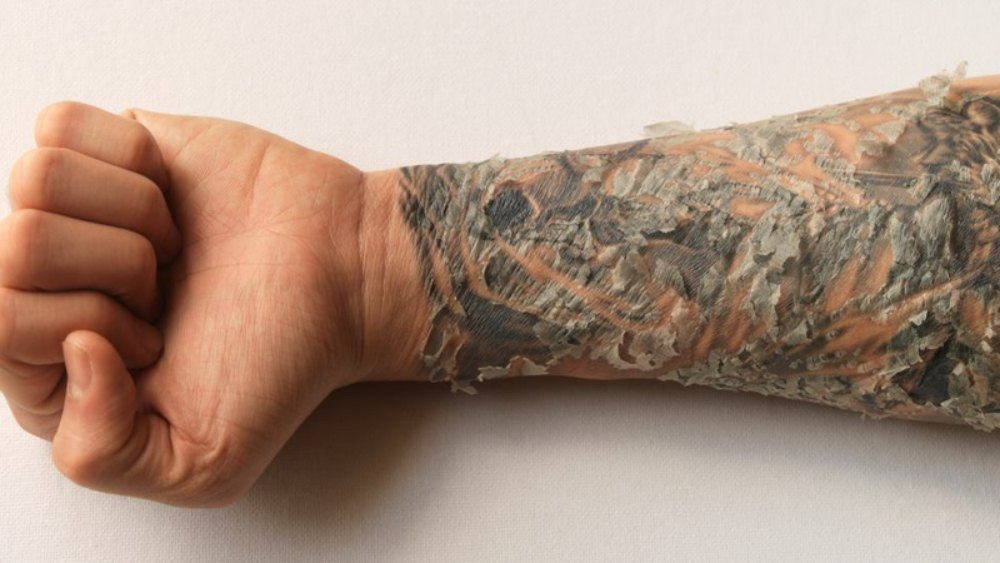
The milky look is a temporary optical effect, not lost ink. As the new skin layer thins and becomes more transparent over the following weeks, clarity returns. Do not book a touch-up during this phase. Nobody can judge a tattoo through milky skin, including your artist.
What to do: keep moisturising, let flakes fall off in the shower rather than helping them, and avoid tight clothing that rubs.
Stage 4: Settling (Weeks 3 to 6)
The surface closes. The tattoo sharpens up and colour returns to something close to how it looked on the day. Some mild dryness or a slight shine over the area is normal and fades.
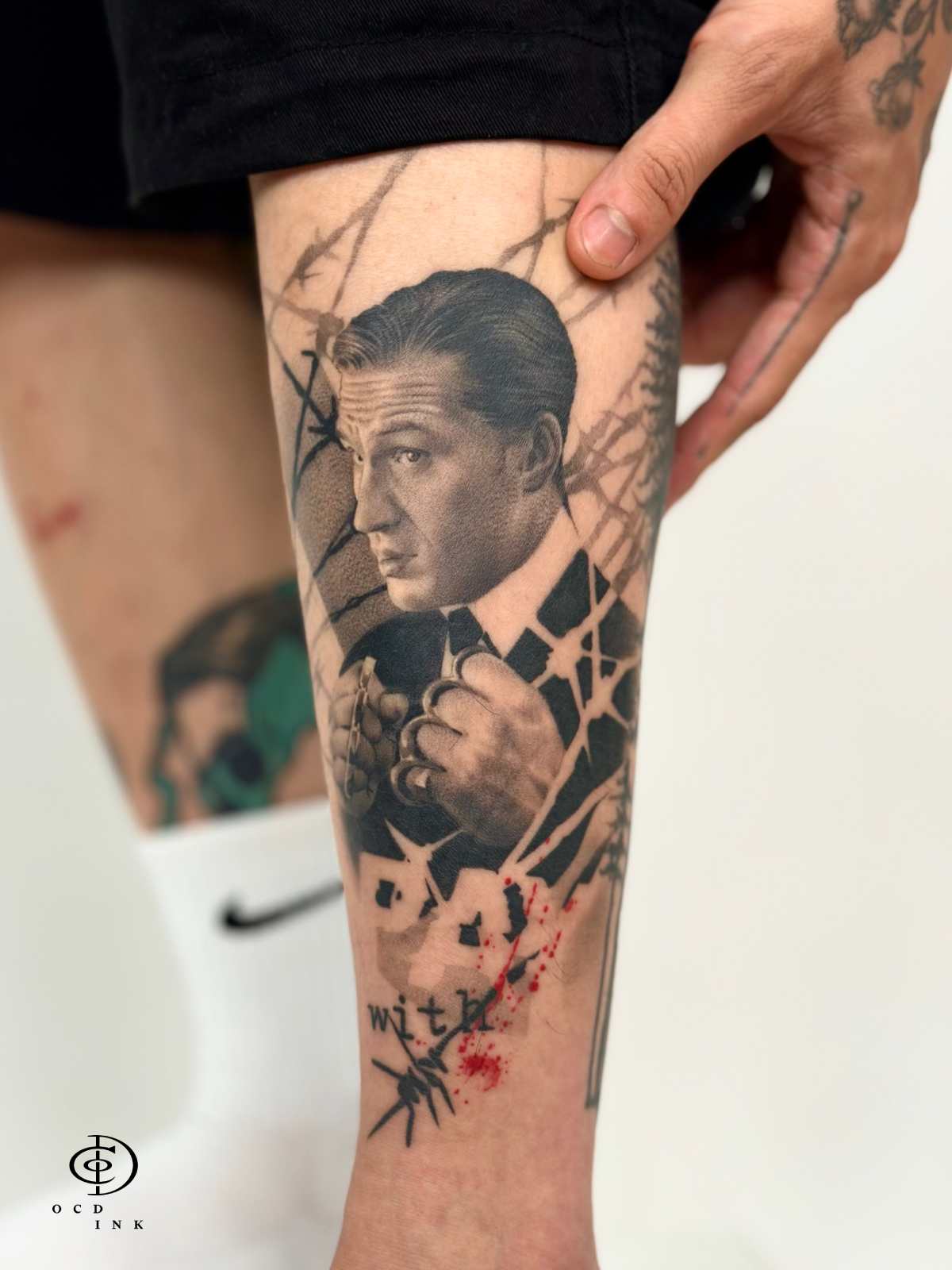
From this point sun protection becomes the single most important thing you do. UV exposure is the main cause of long-term fading, and a tattoo that has just closed is at its most vulnerable. SPF 30 or higher, every time it is exposed.
Stage 5: Deep Healing (Months 2 to 6)
Nothing visible happens here, which is why most guides leave it out, and why people misjudge their tattoos. Below the surface the ink particles are still being encapsulated and the deeper skin layers are still remodelling.
The practical consequence: wait at least 4 to 6 weeks, ideally longer, before deciding a tattoo needs correcting. Small patchy spots frequently even out on their own during this window. Our guide on when a touch-up is genuinely needed explains what does and does not settle by itself.
Normal or a Problem? The Triage Table
This is the reference to use when something looks wrong and you are not sure whether to worry.
| What you notice | Normal if… | Get it checked if… |
| Redness | Confined to the tattoo and its immediate edge, fading after day 3 | Spreading outward, or getting worse after day 3 |
| Swelling | Peaks at 24 to 48 hours, then reduces | Increasing after day 3, or starting up again later |
| Fluid | Clear or ink-tinted plasma in the first days | Thick, yellow, green, or with an odour |
| Heat | Mild warmth in the first 48 hours | Hot to the touch after day 5 |
| Pain | Tenderness like sunburn, easing daily | Burning or throbbing that increases |
| Itching | Comes and goes between days 5 and 14, eases with moisturiser | Intensifies after week two, or comes with a raised rash |
| Bumps | Mild texture during peeling that flattens | Hard, hot lumps under the skin, or a rash spreading past the tattoo |
| Whole body | You feel fine | Fever, chills, aching, swollen glands |
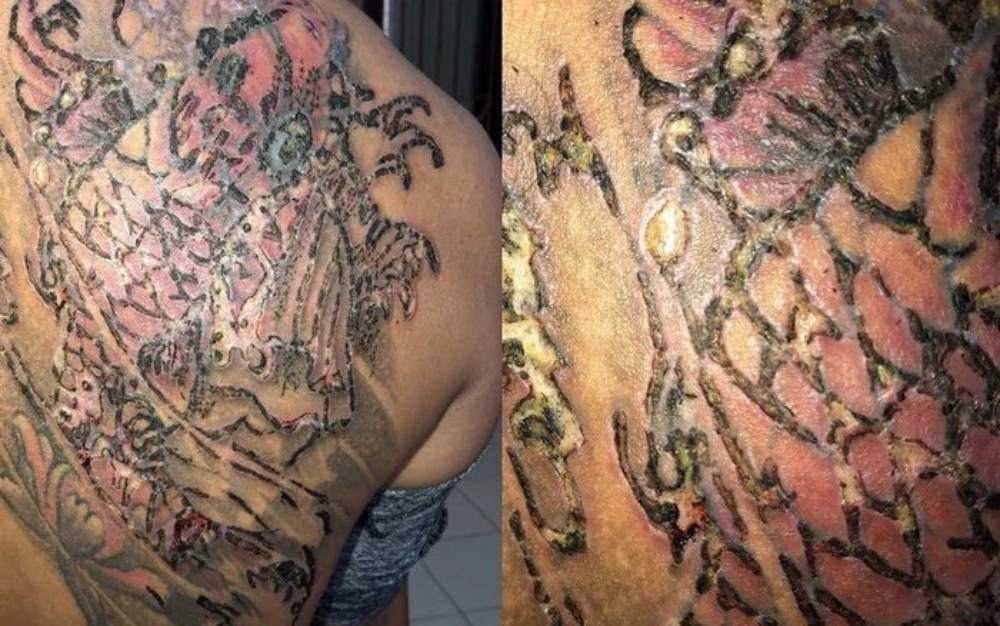
Anything in the right-hand column needs a doctor, not a home remedy. Message your artist too, since they see hundreds of healing tattoos and can often tell you within a photo whether you are looking at a problem or at week two. But an artist is not a medical professional, and infection is a medical matter.
Healing in Heat and Humidity
Almost all aftercare advice online is written for temperate climates. If you are healing a tattoo in Vietnam or anywhere tropical, four things change.
- Sweat is the main risk, not water. Sweat sits on the skin, softens scabs early and carries bacteria into an open wound. Rinse gently and pat dry after any sweating, rather than leaving it.
- Air conditioning dries the skin aggressively. Moving between 35°C outside and an air-conditioned room several times a day pulls moisture out of healing skin, which makes the itch worse. Moisturise more often, not more thickly.
- Scabs soften and lift earlier in humidity, so the peeling stage can start a day or two ahead of the timeline above. Do not accelerate it.
- Sun is stronger and closer to vertical. Shade at midday and a covering layer of clothing beat sunscreen on a tattoo that has not yet closed. Sunscreen goes on healed skin only.
If you are healing while travelling
- Sea and pools are out for about two weeks. Plan beaches, Ha Long Bay and hot springs before your tattoo, not after.
- Long flights dry the skin badly. Cover the tattoo with loose clothing and moisturise before boarding.
- Carry your own supplies. Fragrance-free soap and a small tube of ointment weigh nothing and remove the problem of finding the right product in an unfamiliar pharmacy.
- Backpack straps and motorbike seats cause friction. Think about placement in advance if you are moving between cities.
Habits That Speed Healing
- Wash twice a day, gently, and no more. Over-washing delays closure.
- Apply ointment in a thin layer. Skin needs to breathe.
- Fragrance-free everything. Perfumes and alcohol in lotions irritate healing skin.
- Loose, breathable clothing over the area for the first two weeks.
- Sleep on clean sheets and try to keep the tattoo off the mattress.
- Drink water and eat properly. Healing is a metabolic process, not just a topical one.
- Skip the gym for the first week if the tattoo is anywhere that stretches or sweats heavily.
The full product and routine detail is on our tattoo aftercare page.
What Good Healing Actually Looks Like
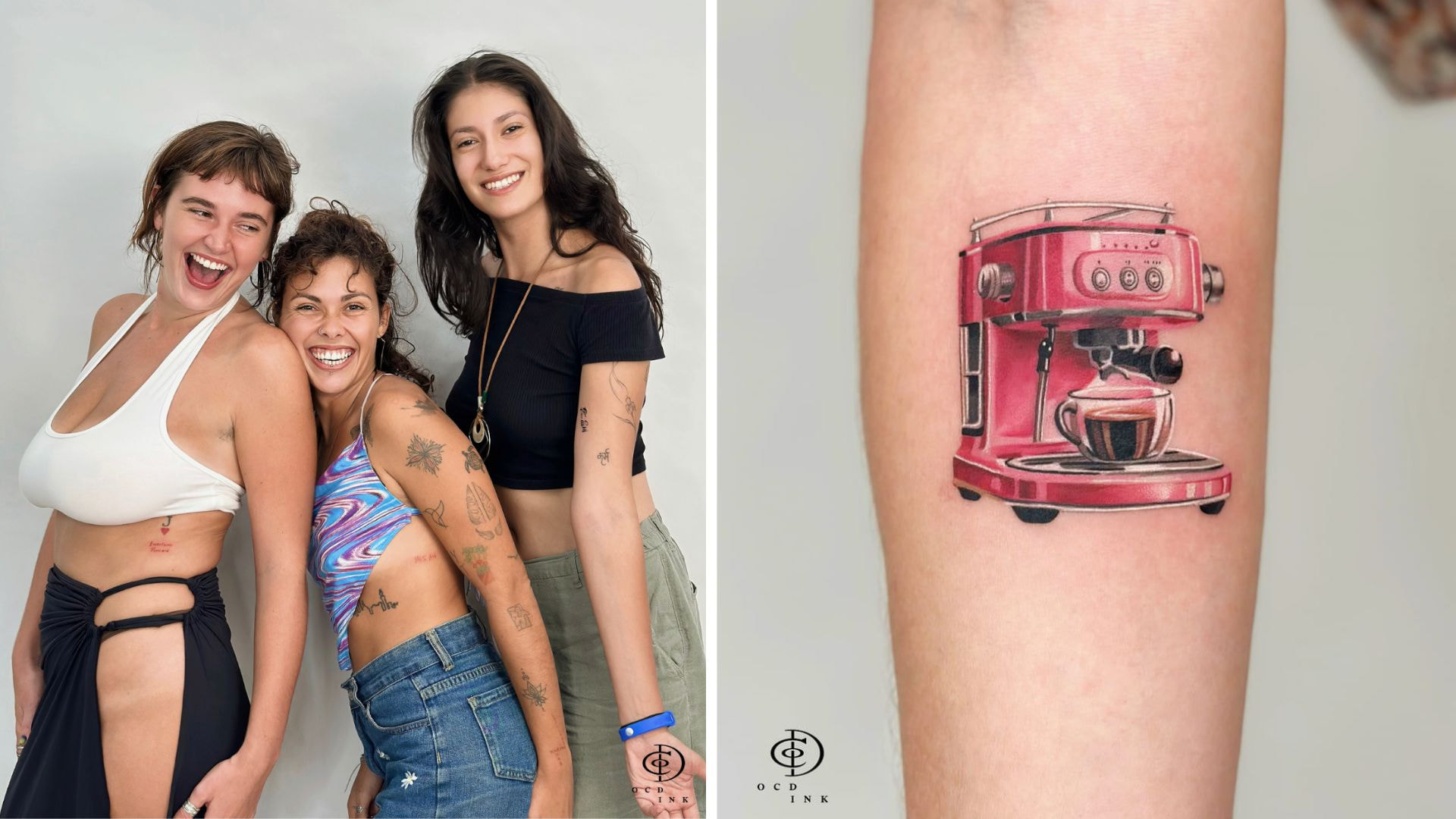
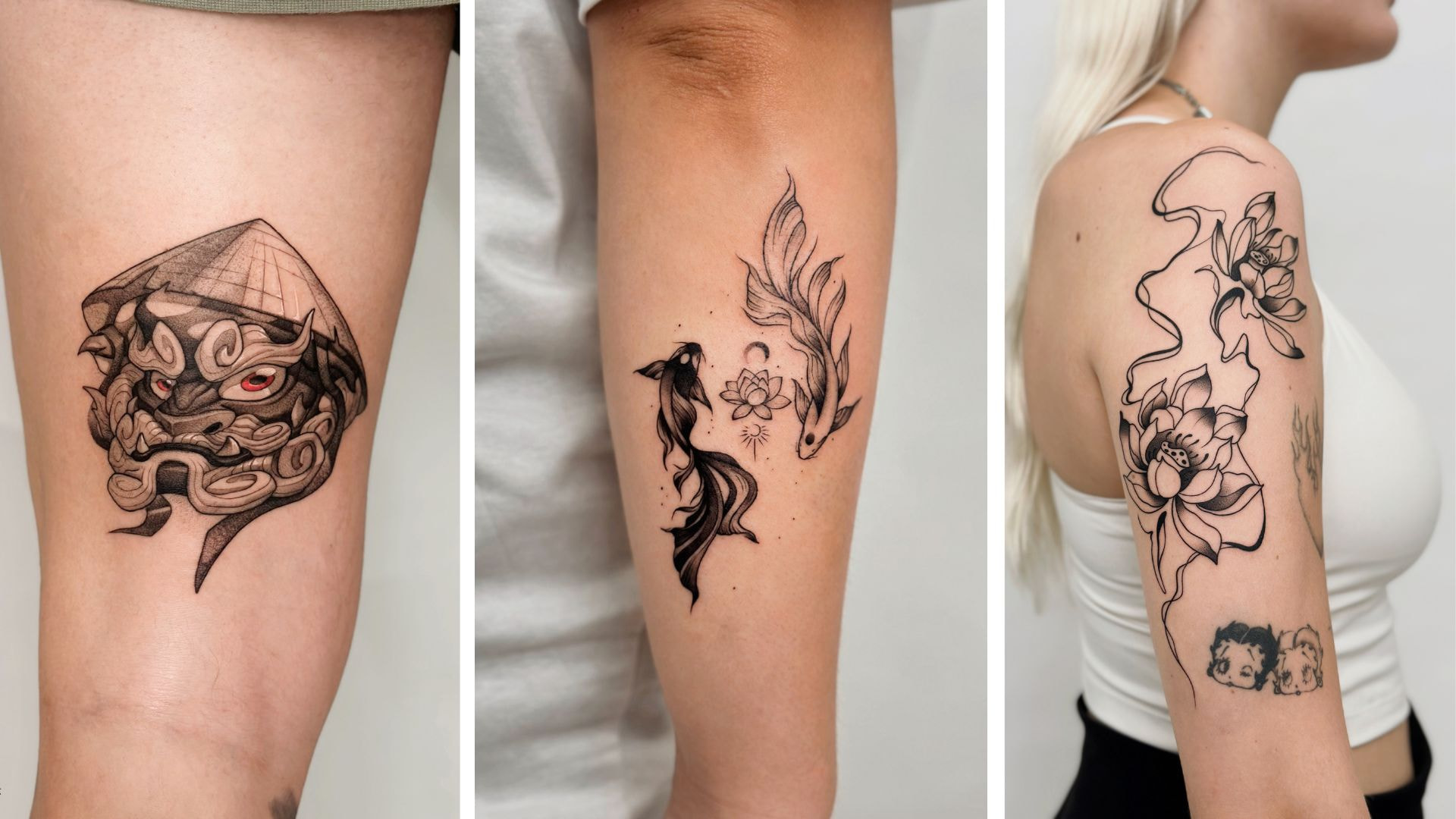
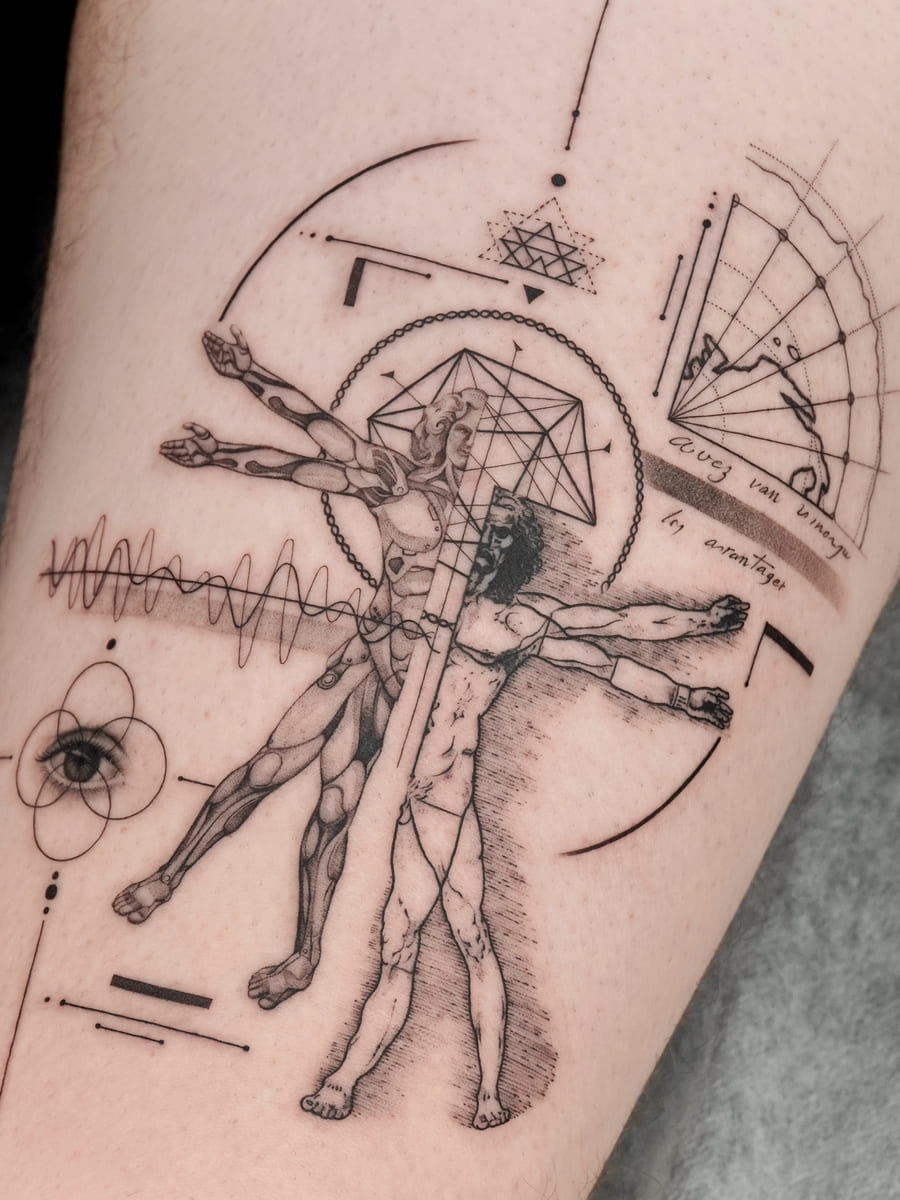
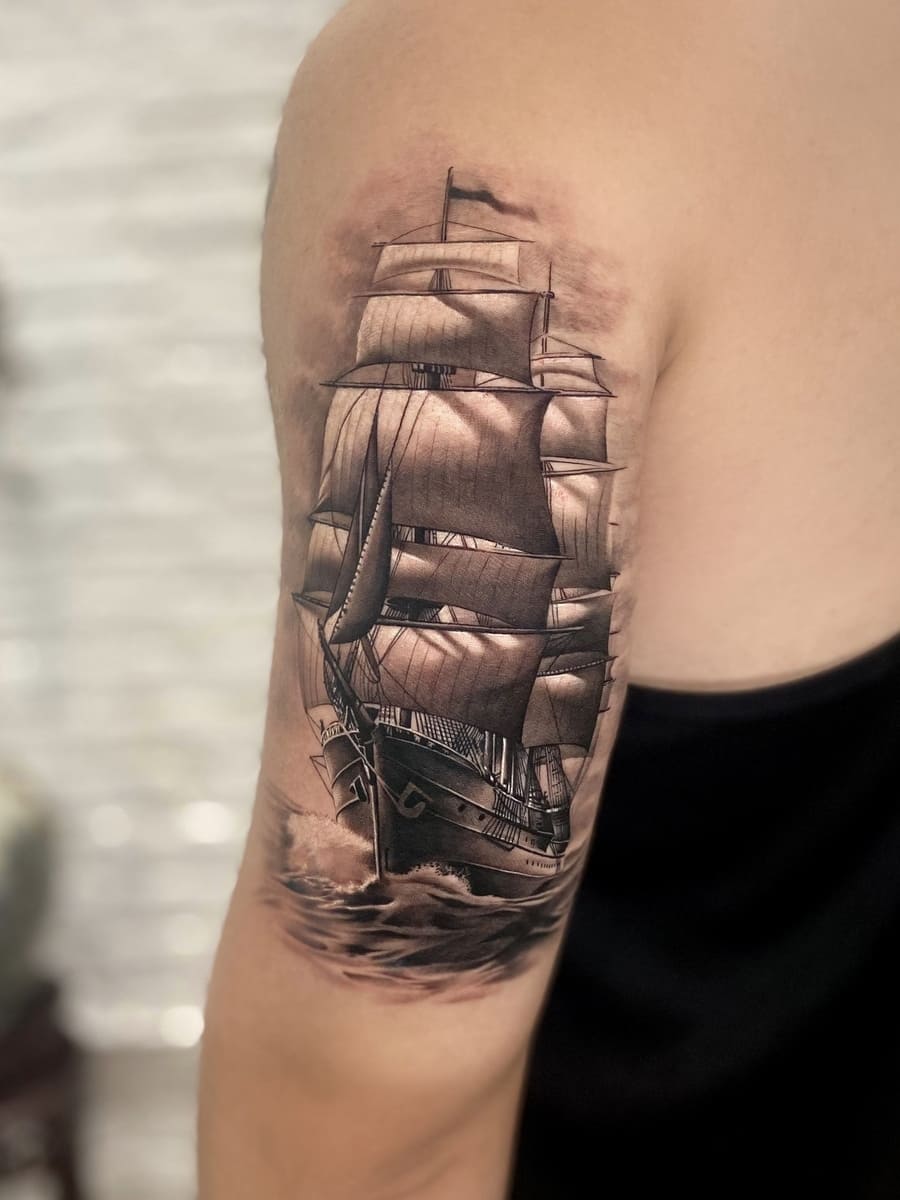
The reason healed work matters more than fresh photos is that everything looks sharp ten minutes after a session. At six weeks you can see the truth: whether lines held, whether shading stayed smooth, whether ink dropped out anywhere. That is the standard worth judging an artist by, and it is why we publish our healed results gallery rather than only fresh work.
Technique determines how much of this is even in your hands. Ink placed at the correct depth heals cleanly with ordinary care. Ink placed too deep or worked too heavily produces thick scabs, blowouts and patchy healing no matter how careful you are afterwards.
Healing Support at OCD Ink Studio

OCD Ink Studio in Hanoi and Hoi An
Every client at OCD Ink Studio, at both our Hanoi and Hoi An studios, leaves with aftercare guidance matched to their design, their skin and their travel plans, plus a complimentary protective second skin film for the first 72 hours. We follow up after a month to see the healed result, and our two-year warranty covers any touch-up work that turns out to be needed.
If something looks wrong while you are healing, send us a photo. If you are planning a piece and want to time it properly around a trip, book in Hanoi or book in Hoi An.
FAQs
How long does a tattoo take to heal?
Two to four weeks on the surface for most tattoos, and three to six months for the deeper layers. Hands, feet and joints sit at the longer end because the skin moves constantly.
Why does my tattoo look faded and cloudy after two weeks?
That is the milky phase in Stage 3. A fresh layer of skin is sitting over the ink and dispersing light. Clarity returns as that layer thins. It is not lost ink and it does not need fixing.
Is it normal for my tattoo to itch?
Yes, typically from around day 5 through day 14. It signals the skin closing. Do not scratch. See our itching guide if it intensifies rather than settling.
When can I swim after getting a tattoo?
Wait until the surface has fully closed, usually two to three weeks. Sea water, pools and hot tubs all introduce bacteria into an open wound.
What happens if I accidentally pick a scab?
One small scab lifted early usually heals with a faint light patch that a touch-up can correct. Repeated picking causes visible ink loss and sometimes scarring. Stop, keep the area clean, and let it close.
When can I judge whether my tattoo needs a touch-up?
Not before four to six weeks, and preferably later. Patchiness at week two frequently resolves on its own during deep healing.
Does healing take longer in a hot climate?
Not necessarily longer, but it is less forgiving. Sweat and humidity raise infection risk and soften scabs early, so aftercare discipline matters more than it would in a cooler, drier place.