Tattoo ink quality decides how your tattoo looks in five years, not five days. Professional studios work with a small number of established brands, most commonly Eternal Ink, Dynamic, Intenze, World Famous, Kuro Sumi, Radiant Colors and StarBrite, because those pigments hold their density and heal predictably.
Whether you are choosing a studio or choosing ink to work with, the useful question is the same: what makes one ink hold and another go patchy. This guide covers the brands professionals rely on, what actually distinguishes them, and the two questions worth asking any studio before you sit down.
Paint or Ink? A Distinction That Matters
People search for “tattoo paint”, but professional artists say ink, and the difference is not pedantry. Tattoo ink is a suspension of pigment in a carrier fluid, formulated to sit stably in the dermis without migrating or triggering a reaction. Paint of any other kind is not made for permanent implantation into skin and should never be used for tattooing.
Worth understanding about regulation: no national regulator “approves” tattoo inks the way it approves medicines. In the United States the FDA treats tattoo inks as cosmetics and has authority to act against unsafe products, but does not pre-approve them. In the EU and UK, the REACH restriction that came into force in 2022 sets limits on specific chemicals in tattoo inks, and reputable manufacturers now produce REACH-compliant lines for that market. If a studio or brand tells you their ink is “FDA-approved”, that is a marketing claim rather than a regulatory fact.
Seven Brands Professionals Use
1. Eternal Ink
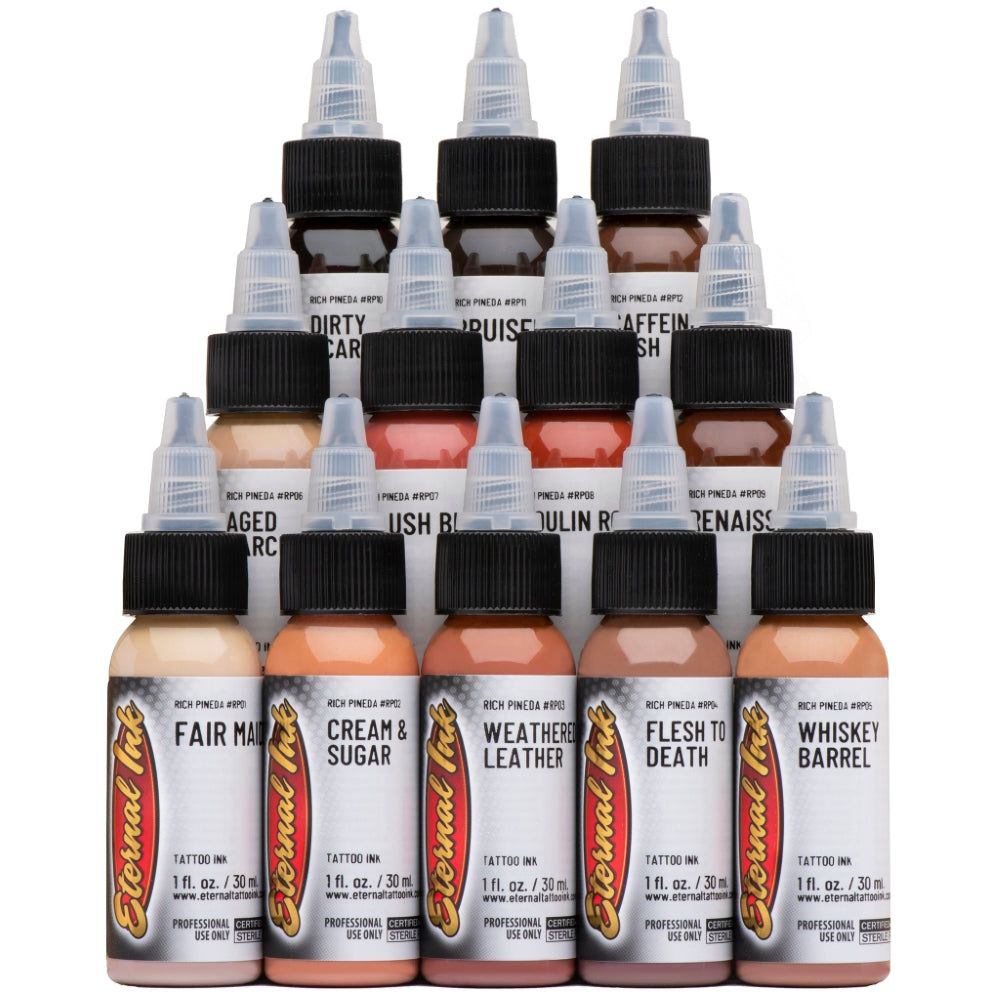
An American brand widely used for full-colour work. Pigments are pre-dispersed, which gives consistent flow and makes blending and layering more predictable. Its reputation rests on colour brightness that holds up over years, so it is a common choice for large colour pieces and portraits.
2. Dynamic Black
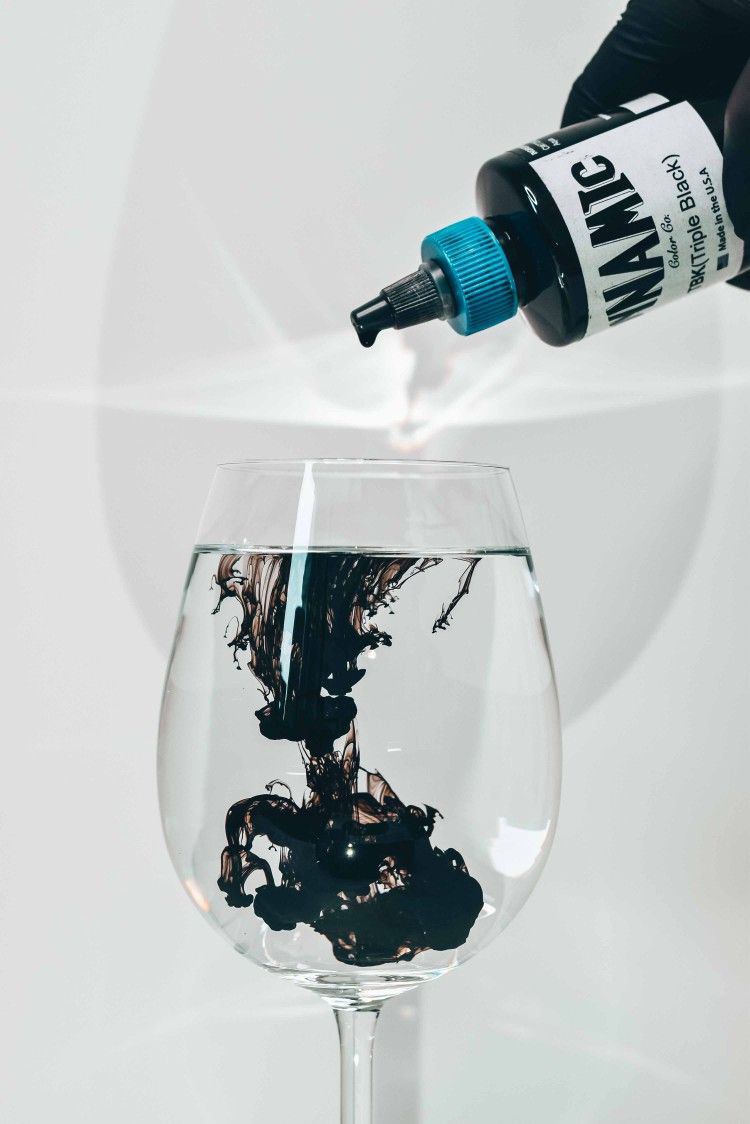
An industry staple for outlines and blackwork. It delivers dense, solid black and, when diluted, produces the grey washes that black and grey work depends on. Its defining quality is that it heals evenly rather than patchily, which is exactly what you want in linework where a single dropout is visible forever.
3. Intenze
One of the longest-established names, known primarily for the breadth of its colour range. Hundreds of shades means an artist can mix less and match more precisely, which matters on work where a specific tone has to be reproduced across several sessions.
4. World Famous
A newer brand that built its reputation on highly saturated colour and artist-collaboration sets. Popular for bold contemporary work and colour portraits where maximum brightness is the point.
5. Kuro Sumi
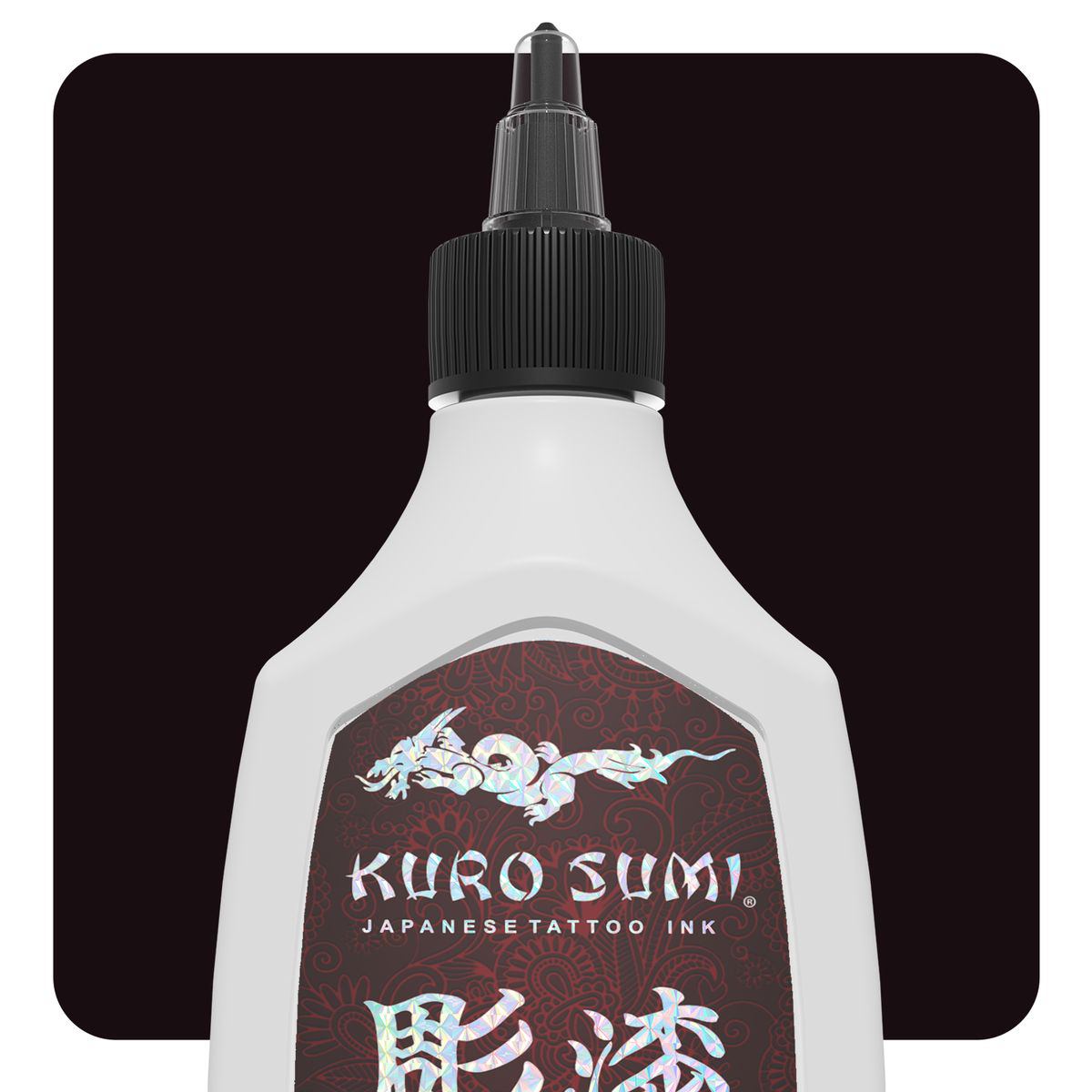
Japanese in origin and strongest in black and grey. Favoured for traditional Japanese work and large-scale pieces because it flows smoothly and holds consistent shading across big areas, where unevenness would show most.
6. Radiant Colors
Bright, easy to blend, and priced below the premium tier without dropping to unsafe quality. Common in studios that do a lot of varied colour work.
7. StarBrite Colors
Over three decades in the market. Known for stable pigments that hold across a range of skin tones, which is a genuine technical distinction rather than a marketing line, since some pigments read very differently on deeper skin.
What Actually Separates Good Ink From Bad
Brand names matter less than these four properties.
| Property | Why it matters | What you see if it fails |
| Pigment load | How much pigment sits in the carrier fluid | Thin, washed-out colour that fades fast |
| Particle consistency | Evenly milled particles settle uniformly in the skin | Blotchy or grainy healed shading |
| Carrier quality | Determines flow and how the skin tolerates it | Prolonged irritation, poor saturation |
| Sterility and sourcing | Sealed, traceable, in date | Infection risk, unpredictable reactions |
The failure mode people notice is not the tattoo looking wrong on day one. It is a piece that looks fine fresh and then heals grey, patchy or blurred. That outcome comes from cheap ink, poor technique, or both, and it is the reason a low quote is often the expensive option once a touch-up or cover-up is factored in.
Ink and Skin Reactions
Genuine pigment allergies are uncommon but real, and they follow a specific pattern: the reaction is confined to one colour rather than the whole tattoo. Red is the most frequent trigger, followed by yellow and other bright tones. Black is the least likely to cause problems.
If an area of one colour stays raised and itchy long after the rest has settled, that is a pigment reaction and needs a dermatologist rather than more ink. Our guide on telling normal healing itch apart from an allergic one covers how to identify it.
If you have known contact allergies or reactive skin, mention it before the design is finalised. It may steer you toward black and grey work, which carries the lowest reaction risk of any style.
Black Versus Colour: How They Age
- Black and dark blue hold longest. This is a property of the pigment, not the brand.
- Red, orange and yellow break down fastest under UV exposure.
- White and pastel tones are the least stable, and white highlights in particular often need refreshing.
- Sun exposure is the dominant variable in how any of them age. SPF on a healed tattoo does more for longevity than the choice between two premium brands.
Two Questions to Ask Any Studio
You do not need to know pigment chemistry to check whether a studio is serious. Two questions do the work.
- “Which ink brands do you use?” A professional answers immediately and specifically. Hesitation, vagueness, or “we use professional ink” is the answer you are looking for.
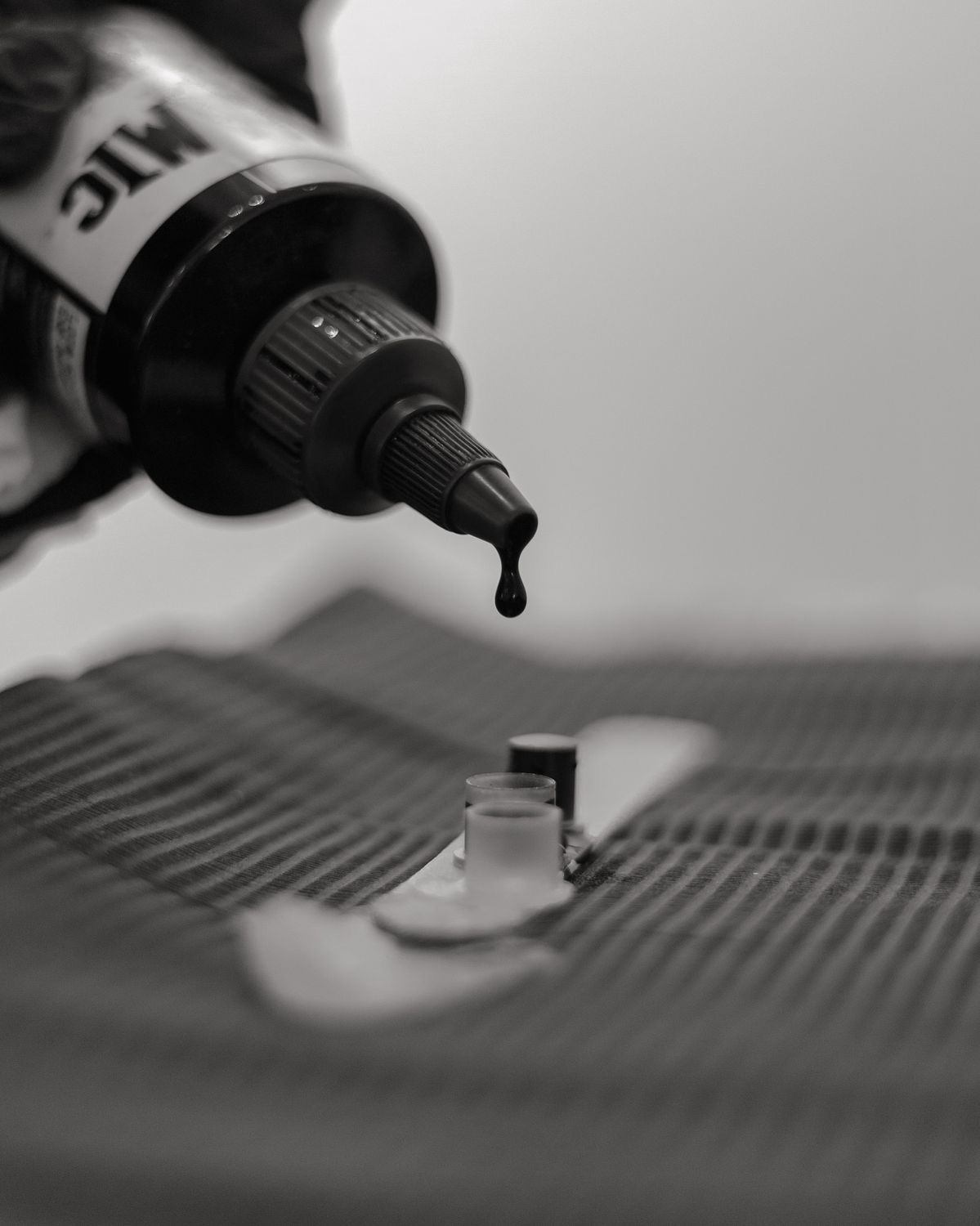
- “Can I see the bottles?” Sealed, labelled, in date, poured into single-use caps in front of you. Ink decanted from unlabelled containers is a reason to leave.
The equipment conversation sits alongside the hygiene one. Our guide to getting a tattoo in Vietnam covers the full sixty-second check you can do before sitting down anywhere.
What We Use at OCD Ink Studio

At OCD Ink Studio our artists work with Dynamic Black for linework and grey wash, and Eternal Ink for colour, alongside Kwadron and Raptar needle cartridges and Anchored by Nikko stencil solution. All are imported, sealed and opened in front of the client.
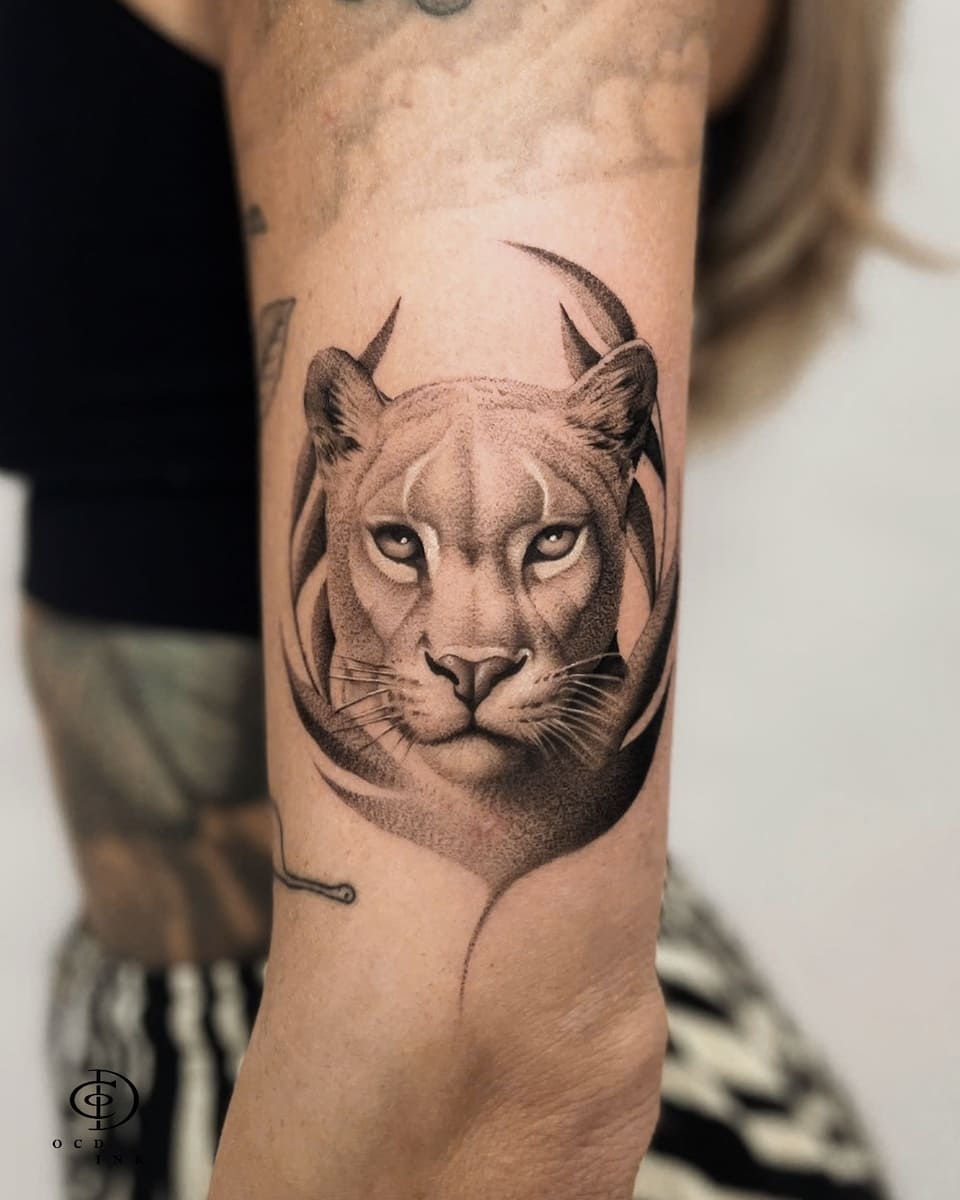
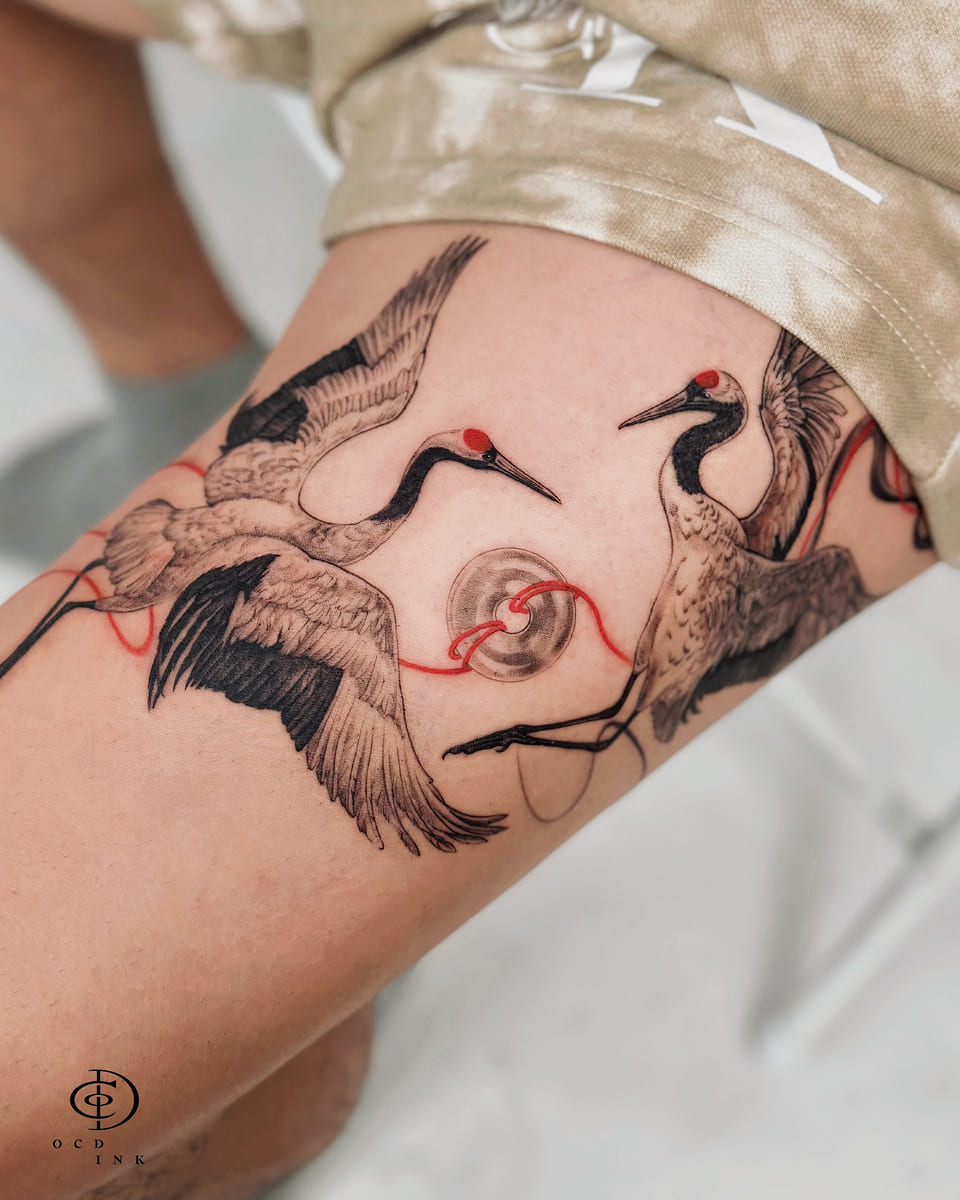
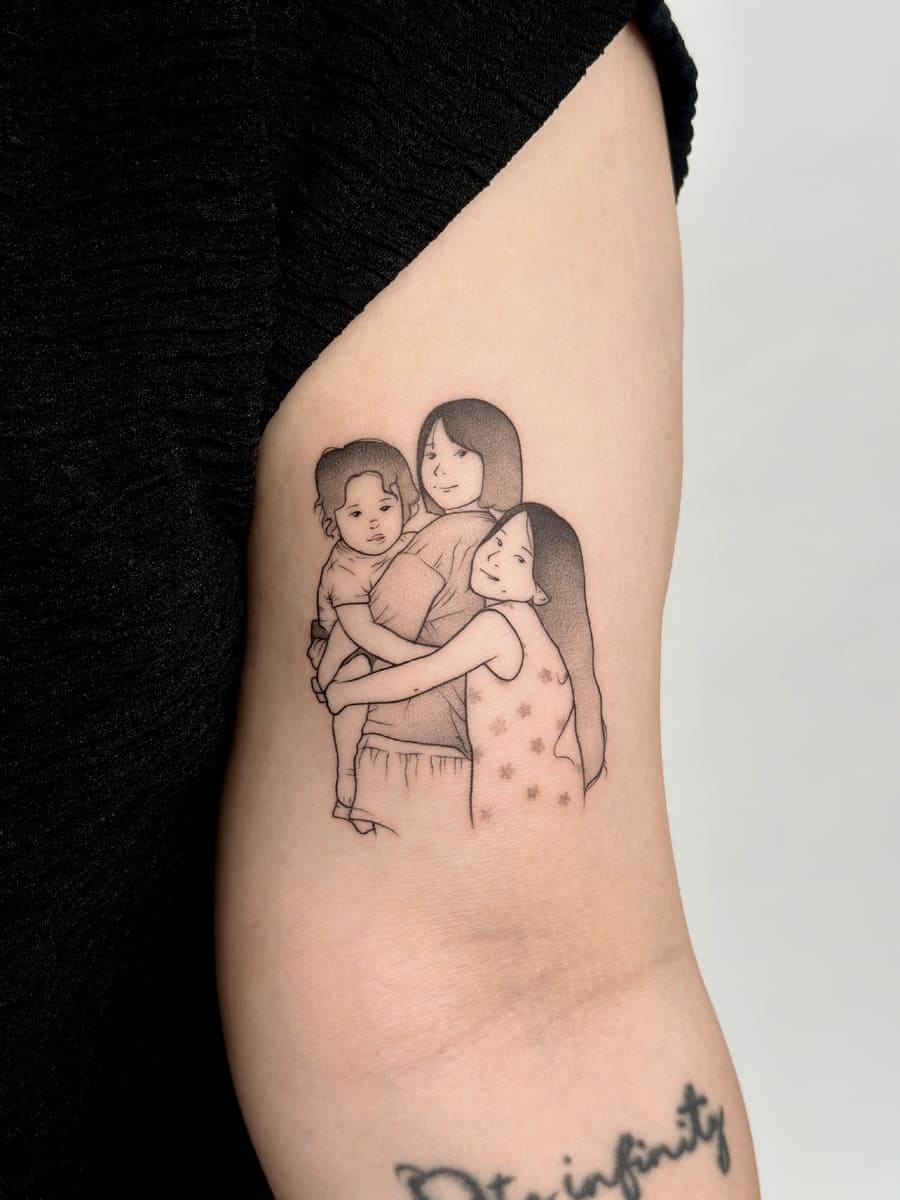
Ink is one input among several, and on its own it does not make a tattoo last. Needle depth, machine control and how the skin is worked matter at least as much, which is why the honest test of any studio is not the brands on the shelf but how the work looks once healed. Ours is published in the healed results gallery.
If you want to talk through what a specific design needs, send us your idea, or book directly in Hanoi or Hoi An.
FAQs
What is the difference between tattoo paint and tattoo ink?
They refer to the same thing in casual use, but professionals say ink. Tattoo ink is formulated specifically for implantation into skin. Nothing else should be used for tattooing.
Is any tattoo ink FDA-approved?
No. The FDA regulates tattoo inks as cosmetics and can act against unsafe products, but it does not pre-approve them. Any brand advertising itself as FDA-approved is overstating the position.
Which ink lasts the longest?
Black and dark blue pigments outlast every colour, regardless of brand. Reds and yellows fade first, and white fades fastest.
Can I be allergic to tattoo ink?
Yes, though it is uncommon. Reactions are usually confined to one colour, most often red. Persistent raised itching in a single colour needs a dermatologist.
Does more expensive ink mean a better tattoo?
Only up to a point. Any of the established professional brands will outlast cheap ink comfortably. Beyond that, technique determines the result far more than which premium brand is on the shelf.
How can I tell if a studio uses good ink?
Ask which brands they use and ask to see the bottles. Sealed, labelled, in date, decanted into single-use caps in front of you. A professional will show you without being asked twice.