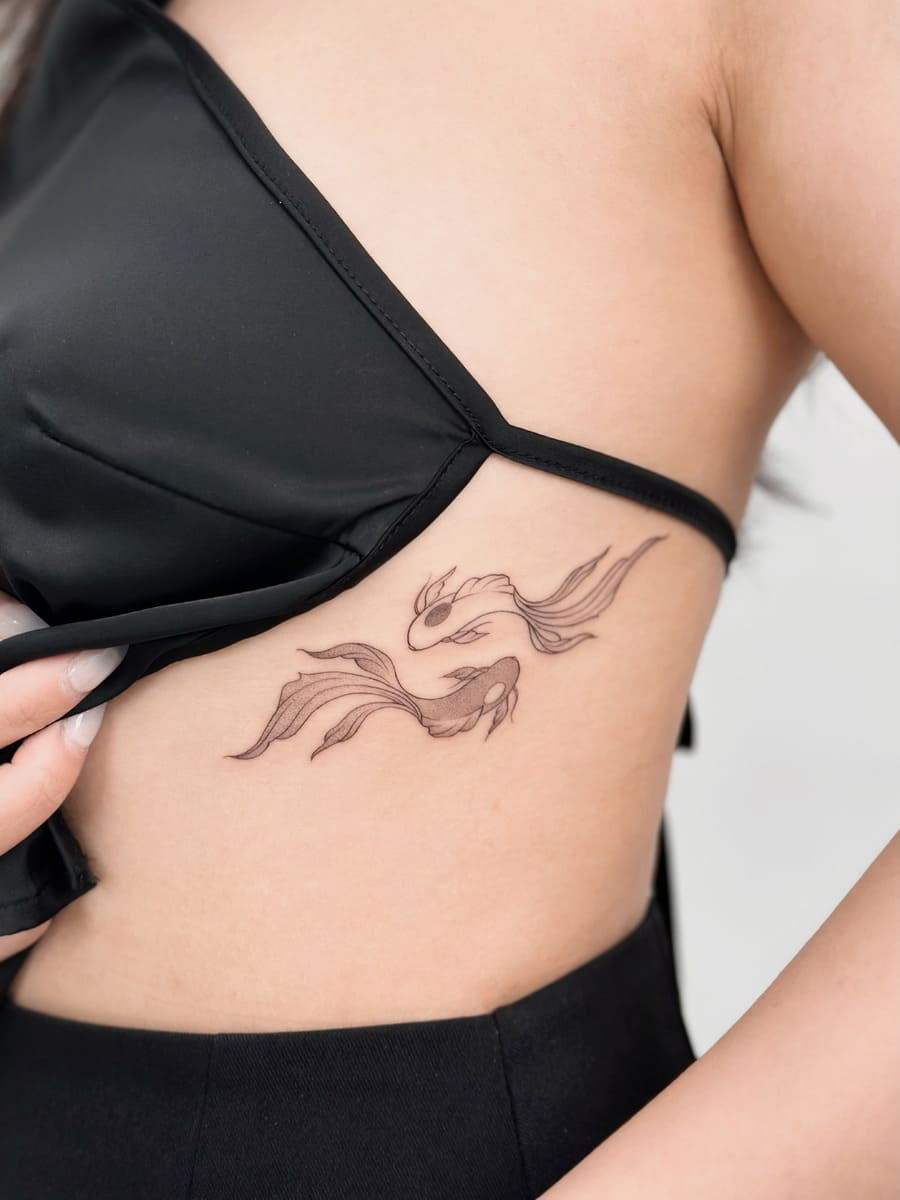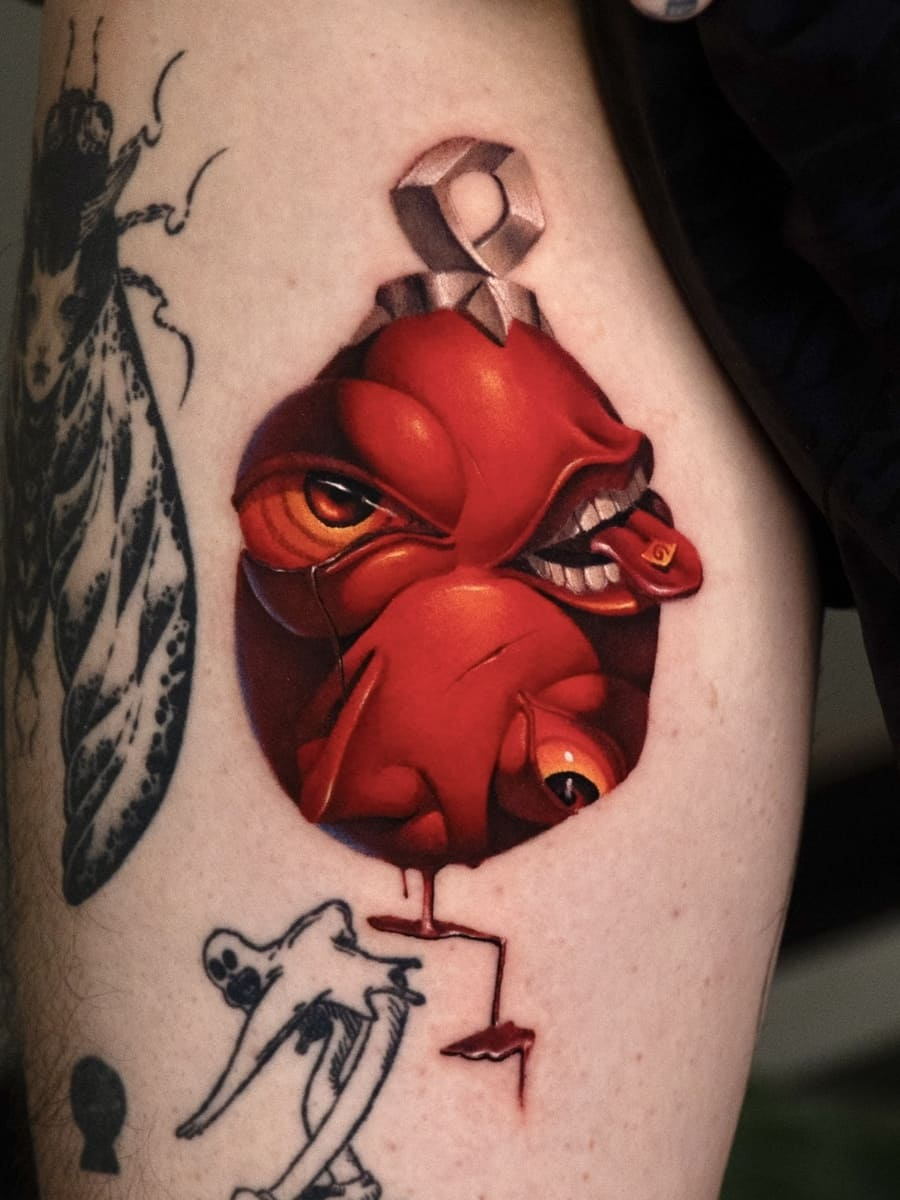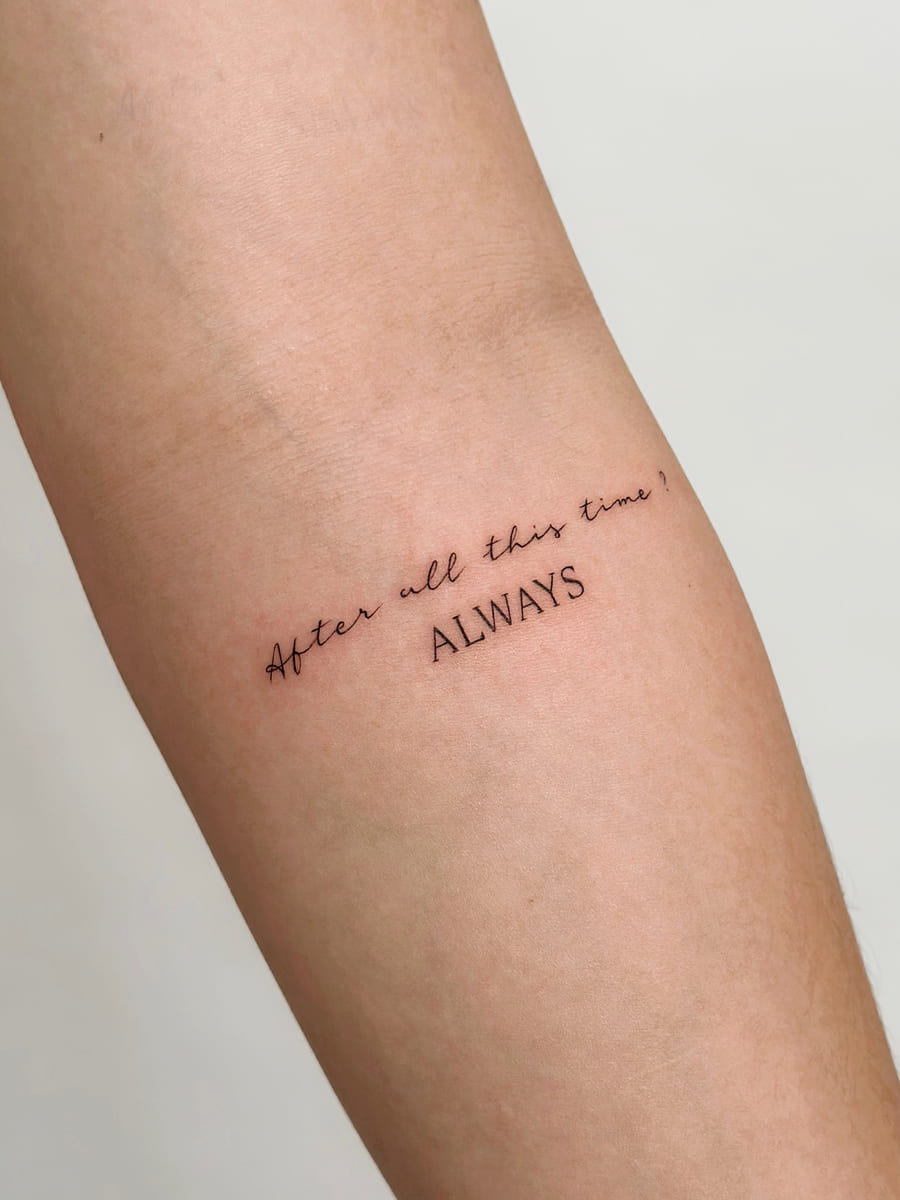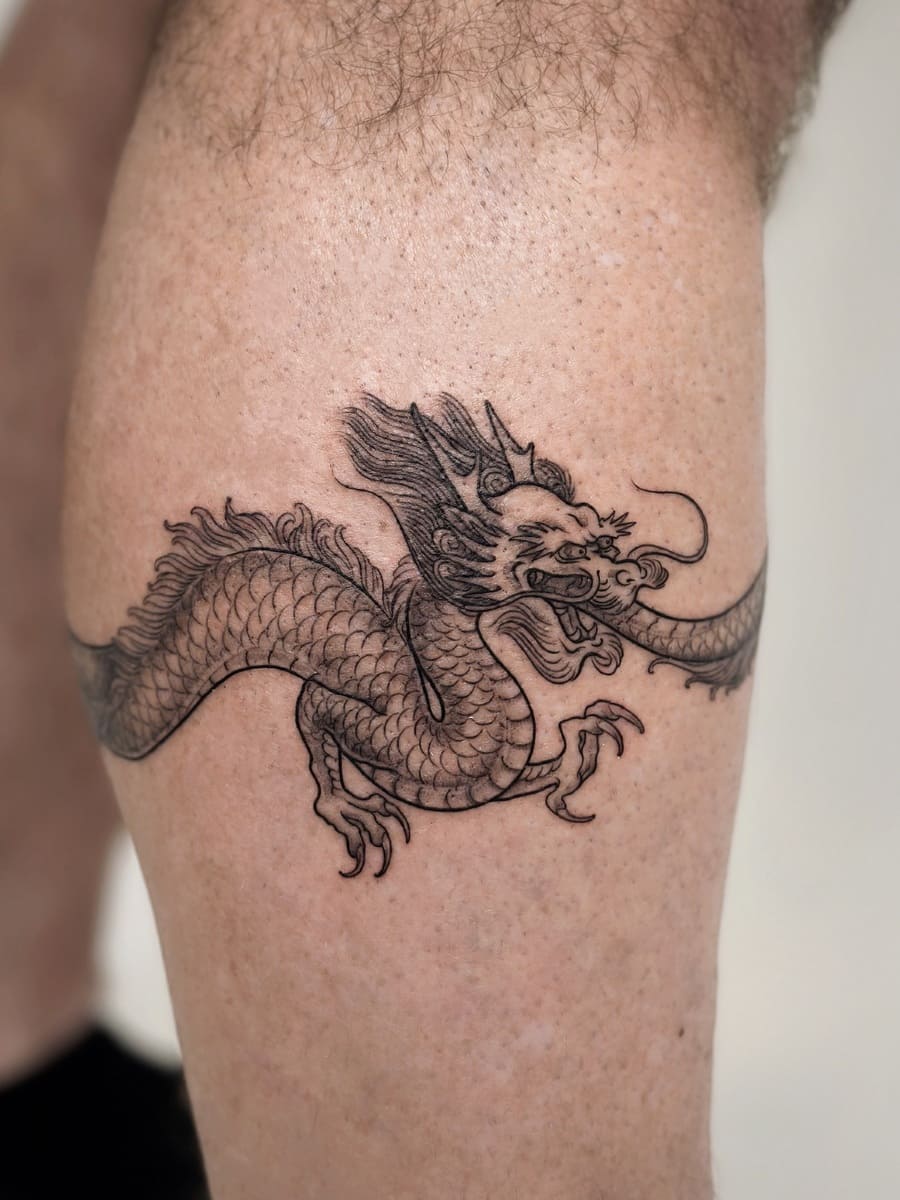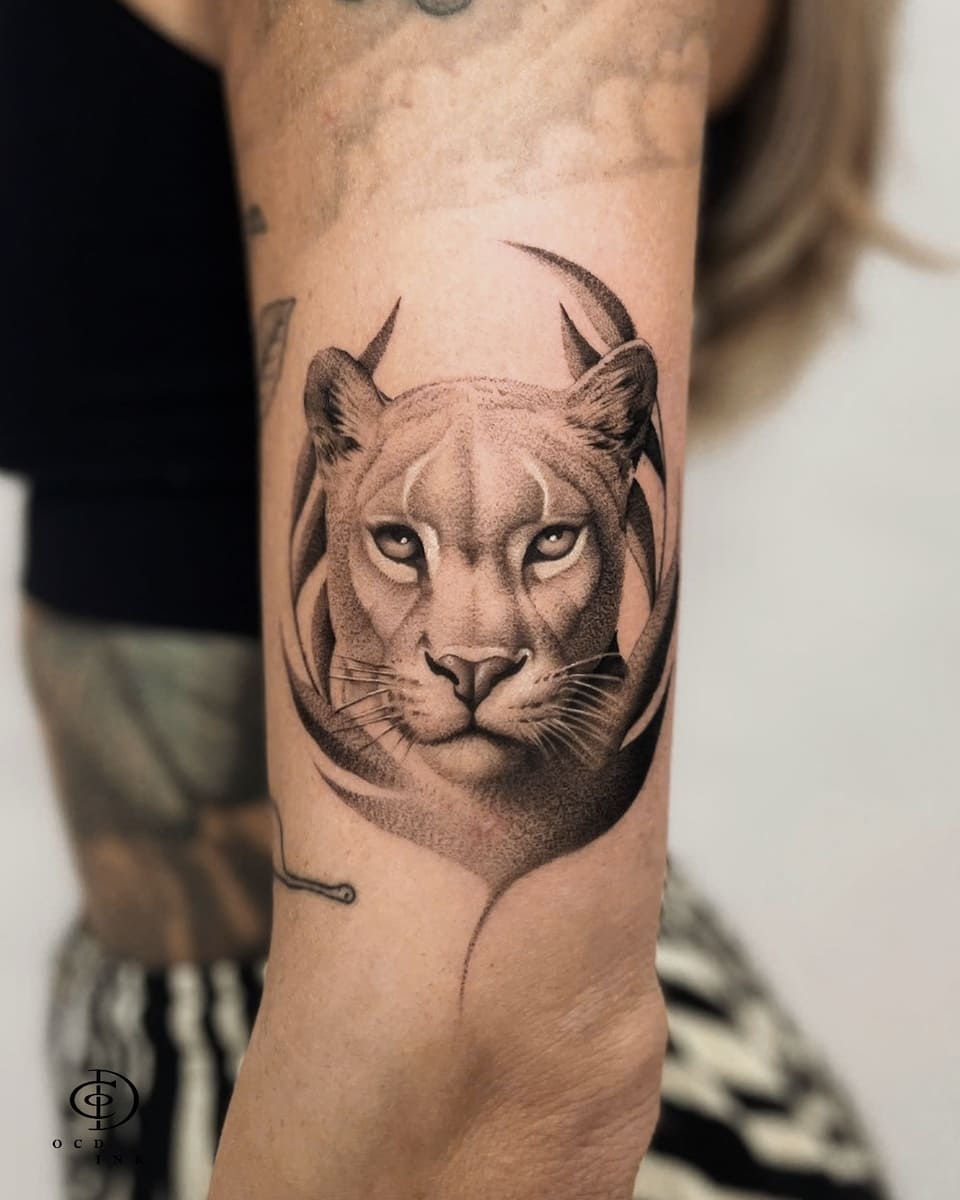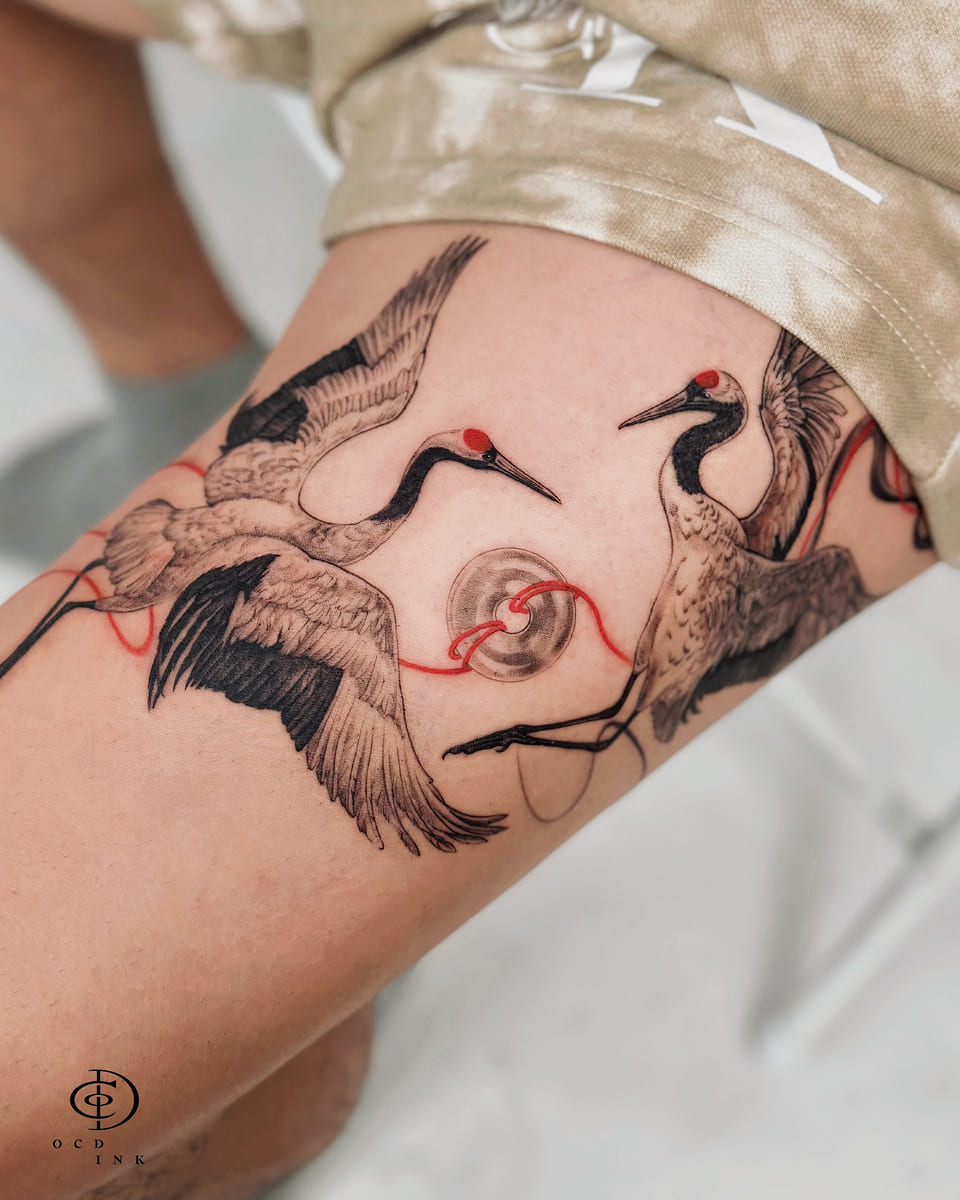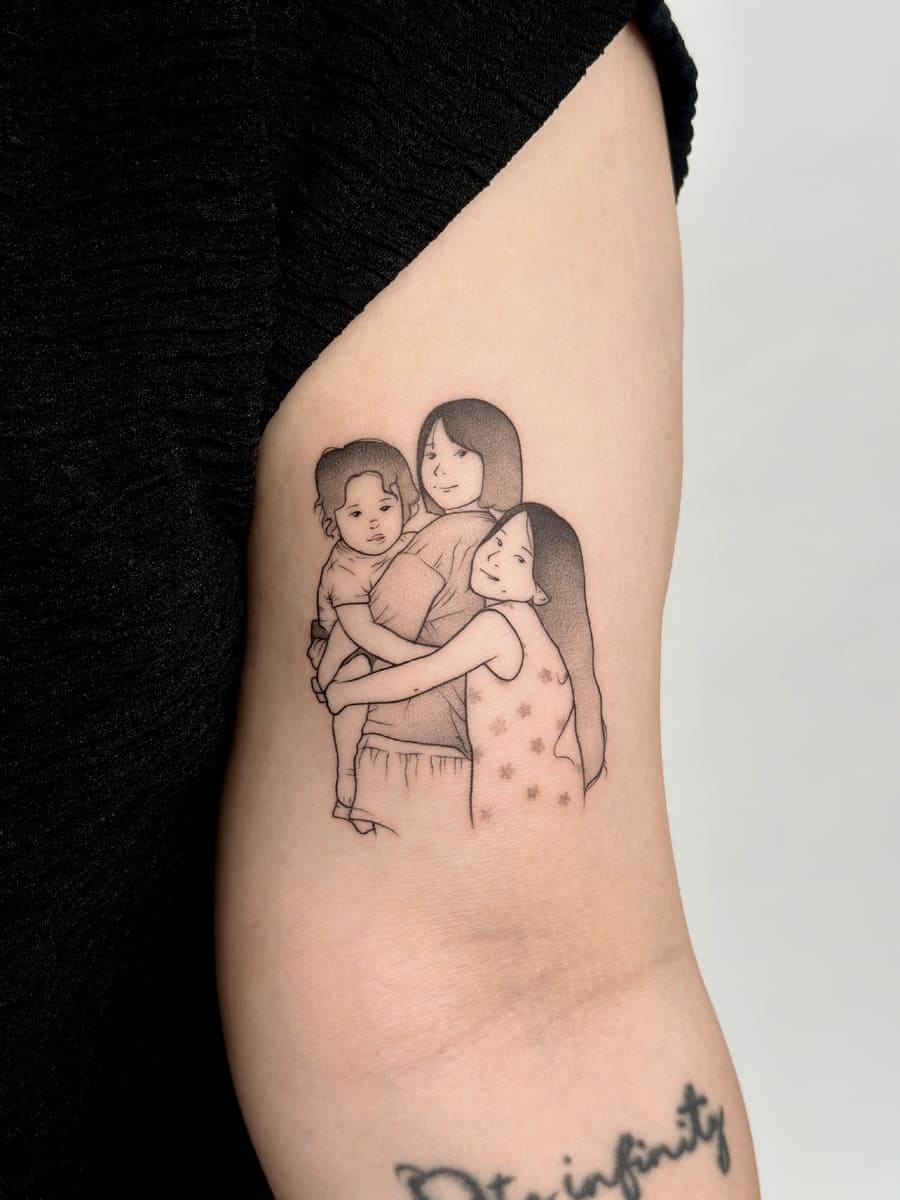

An ornamental tattoo is more than decoration—it’s body art that blends symmetry, patterns, and personal meaning. From mandala-inspired pieces to lacework and architectural motifs, this style offers endless design options. Explore key features, design directions, and placements to inspire your tattoo journey.
I. Key Features of Ornamental Tattoo Style
Ornamental tattoos are a celebration of symmetry, flow, and structured beauty. Unlike narrative or representational styles, the ornamental tattoo style is decorative by nature—rooted in pattern, repetition, and geometry. These tattoos don’t “tell a story” in the traditional sense; instead, they embellish the body much like jewelry, fabric, or sculptural motifs.
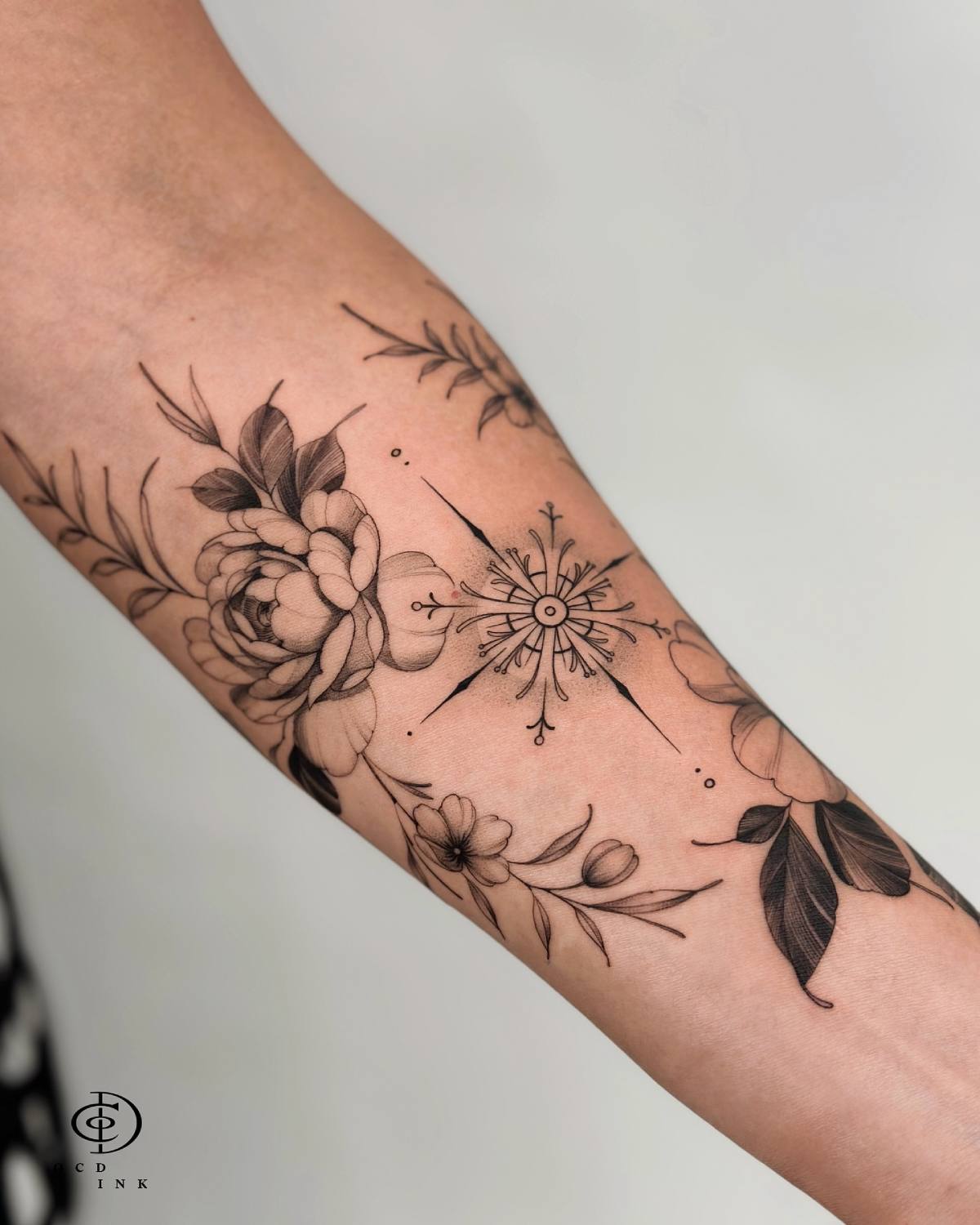
- Visually, these tattoos often feature intricate dotwork, fine linework, filigree, and patterned repetition. They may be inspired by ancient architectural reliefs, classical art, or the visual harmony found in nature. Many ornamental pieces radiate from a central point or follow the natural curves of the body, enhancing both the tattoo and the human form it complements.
- One of the key advantages of the ornamental tattoo style is its versatility. A delicate wrist piece, a symmetrical sternum tattoo, or a full back spread can all be equally stunning—even when vastly different in scale. This design approach is also highly customizable: artists can fuse traditional motifs with modern minimalism or layer sacred geometry with bold lace-inspired textures.
Whether you’re someone seeking a minimal decorative tattoo or a deeply complex ornamental composition, this style adapts to your vision—while always maintaining its emphasis on beauty, balance, and visual rhythm.
II. Popular Ornamental Tattoo Design Directions
From sacred geometry to feminine filigree, ornamental tattoos pull from a wide range of sources—but share a unifying love for composition, balance, and detail. Here are some of the most admired design directions in the ornamental tattoo world:
1. Mandala-Inspired Designs
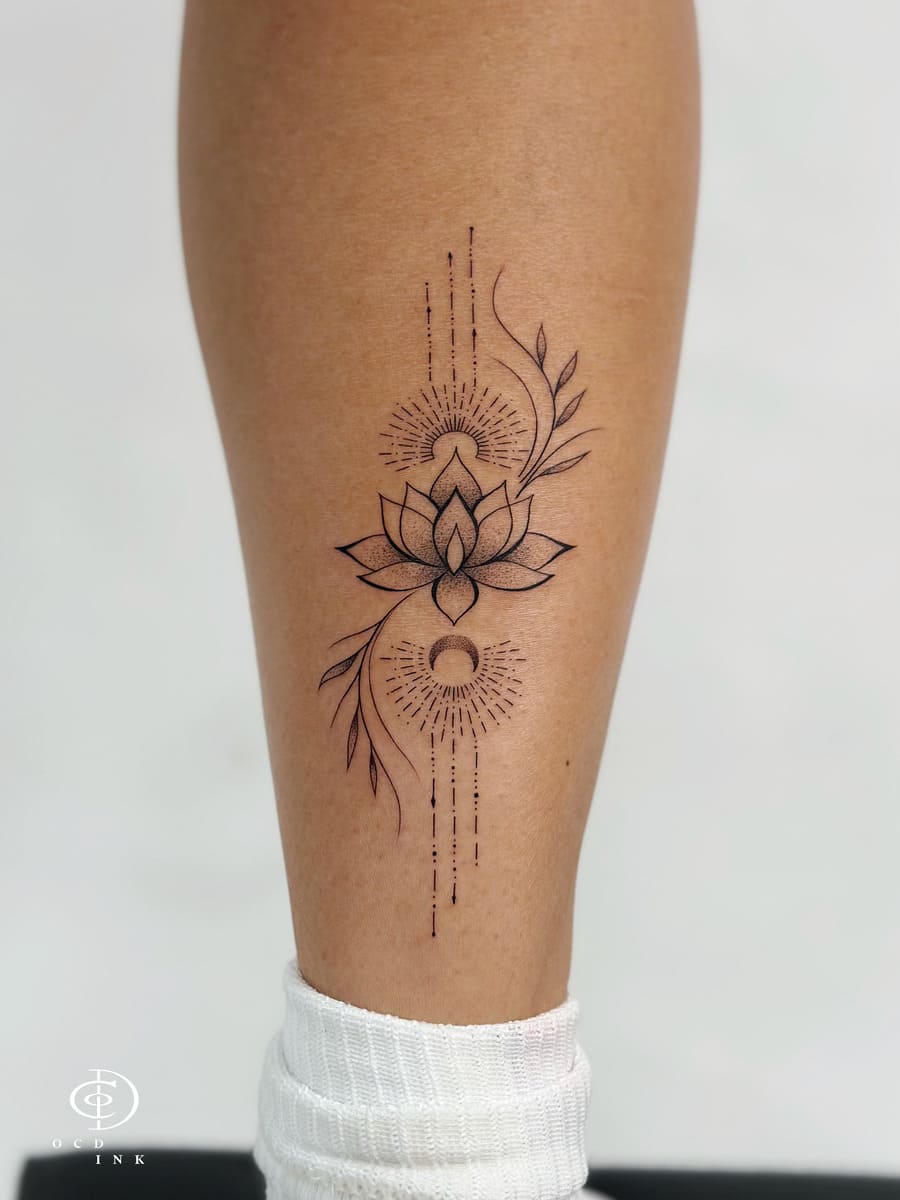
One of the most iconic subgenres, mandala tattoos use overlapping circles and radial symmetry to reflect balance, harmony, and inner meditation. Traditionally rooted in Hindu and Buddhist philosophy, mandalas in tattooing have evolved into highly stylized focal pieces, perfect for those drawn to sacred shapes and spiritual geometry.
These designs often radiate outward from a central point, making them ideal for midline placements like:
- Upper back
- Chest center
- Elbows or knees
Mandalas can be kept minimalist or rendered with multiple ring layers and dotwork detailing—each version building a different visual and emotional impact.
2. Lacework, Jewelry, and Feminine Patterns
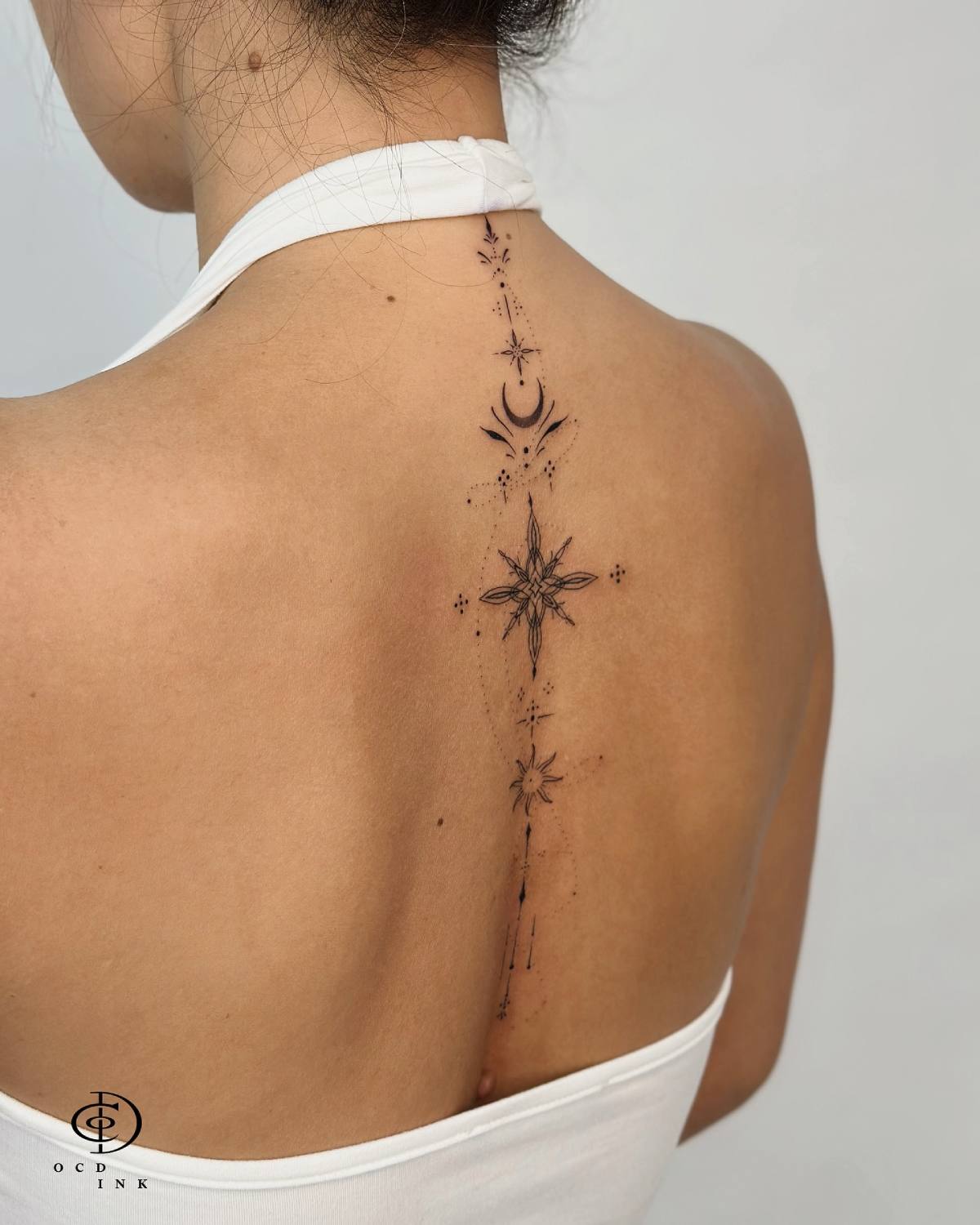
Inspired by textiles, chandeliers, and traditional lace and jewelry motifs, these designs blend softness with structure. Particularly sought after by those looking for feminine ornamental tattoos, these patterns provide detail without needing literal symbols.
Common design elements here include:
- Hanging beads or chains
- Teardrop gem shapes
- Filigree borders and scalloped edges
Most often placed on:
- Sternum
- Lower ribs (rib cage)
- Hips or pelvic lines
These tattoos move with the body and mold organically to curves—ideal for those who want something sensual but elegant.
3. Geometric, Baroque, and Architectural Elements
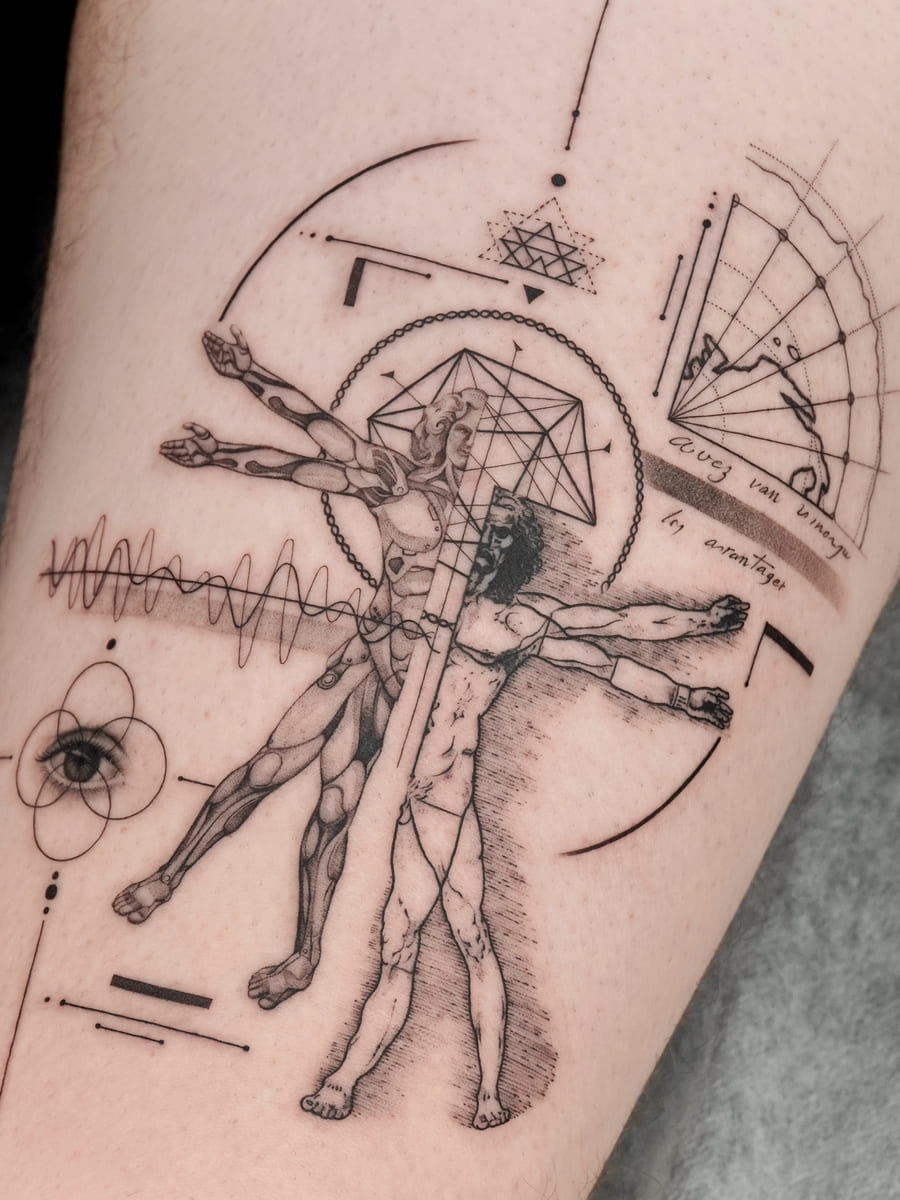
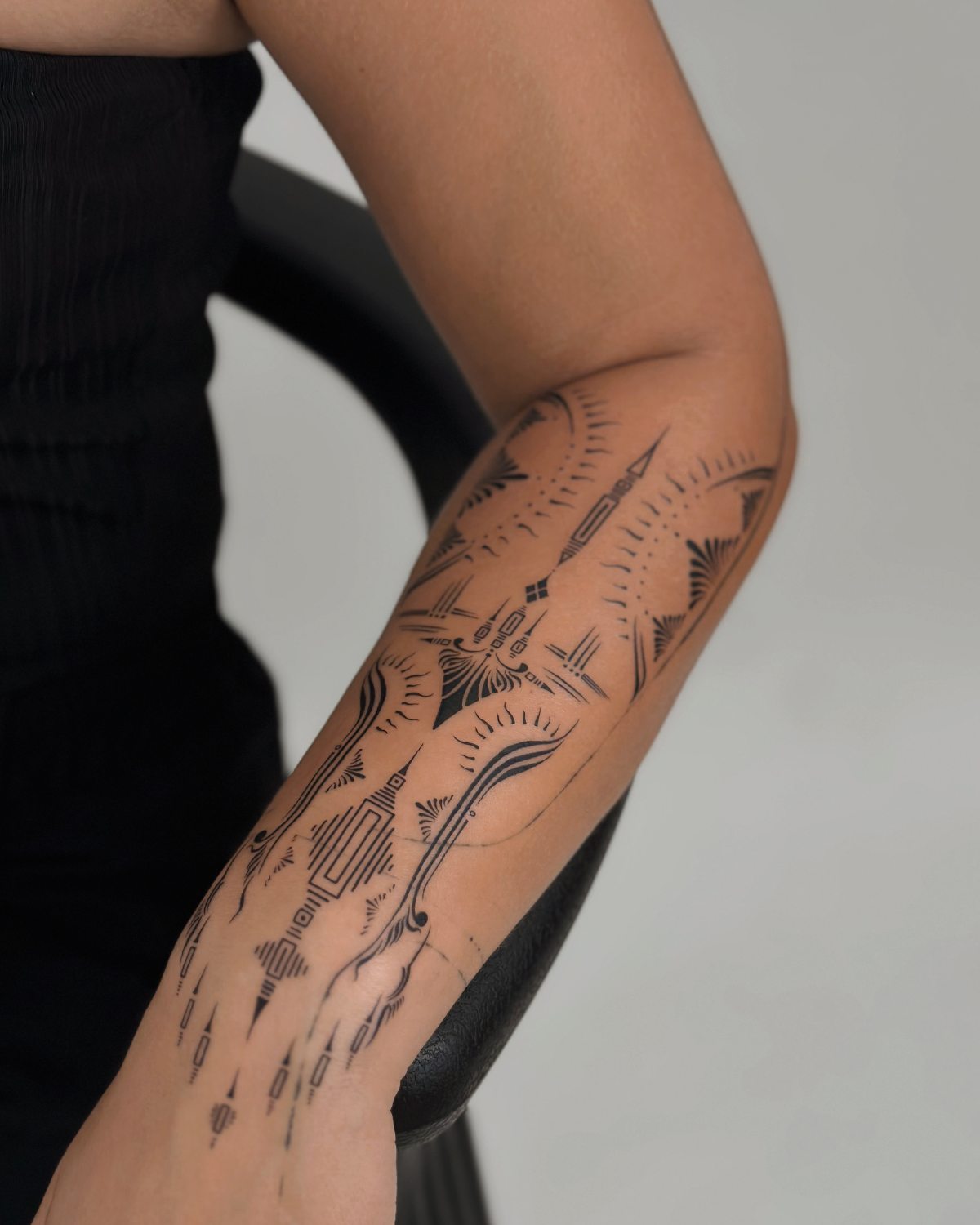
This design family leans more structural, pulling from classic architecture, baroque carving, and modern minimal geometry. These are great for anyone who sees their body as a canvas for art, symmetry, and pattern.
Examples include:
- Ornamental frames and scrollwork
- Tiled or repeated motifs (similar to mosaics or tilework)
- Bold black lines and angular symmetry
Perfect placements:
- Upper arms, shoulders
- Thighs, spine, or calves
This is a favorite among people who want their tattoo to feel more sculptural or architecturally integrated with their form.
III. Best Placements for Ornamental Tattoos
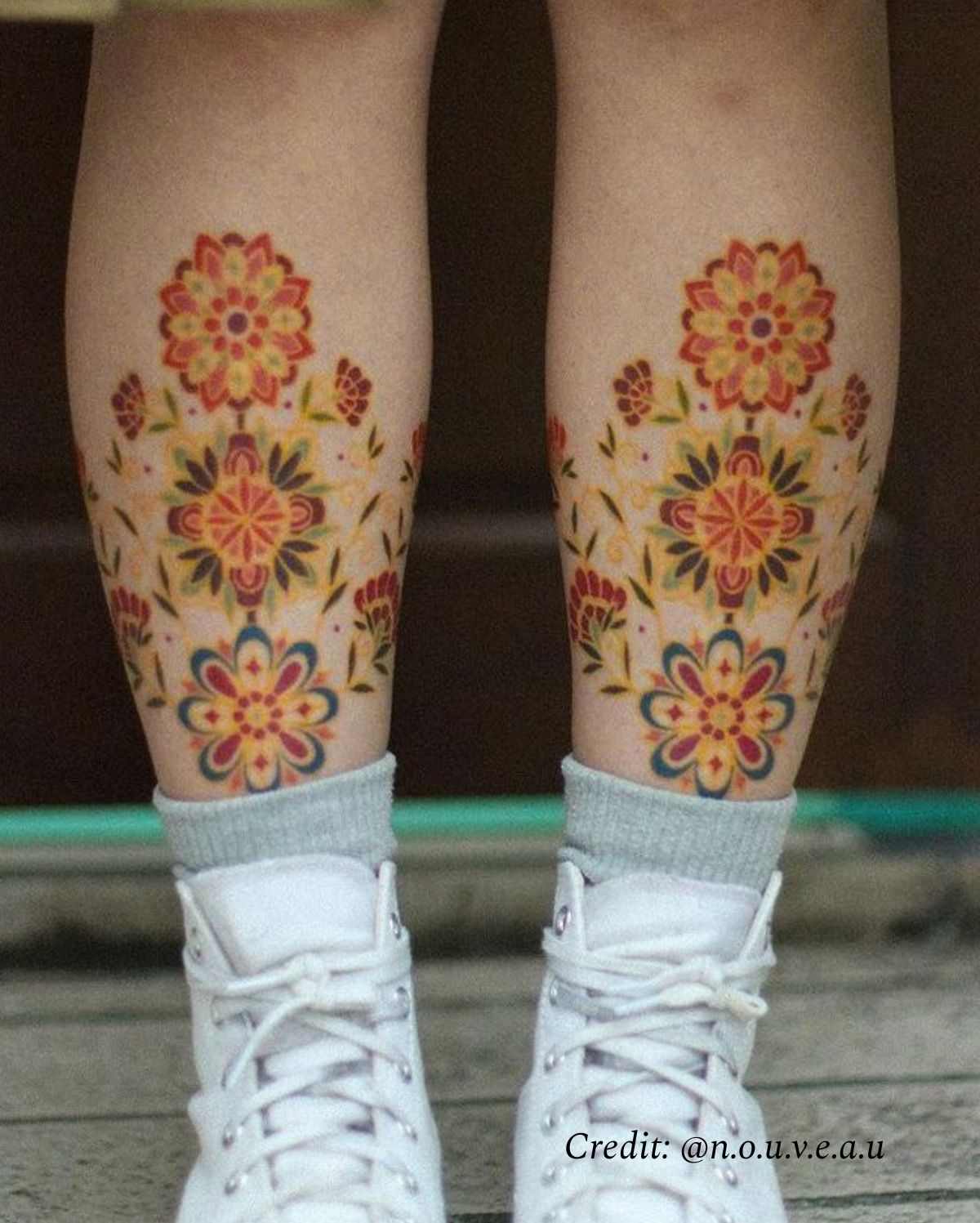
Placement is everything when it comes to ornamental tattoos—the design flows best when supported by the body’s shape and movement. These tattoos are often symmetrical, elongated, and centered, making certain areas more ideal than others.
Popular Placements:
- Spine: A natural centerline that suits vertical balance, often used for mandalas or stacked motifs.
- Sternum / Chest center: Great for symmetry, especially feminine lace or gemstone-inspired pieces.
- Forearms / Wrists: Ideal for bracelets, cuffs, or wraparound floral lacework.
- Ribs / Side-body: Flows with the waistline, suitable for curved designs and repeated elements.
- Thighs / Calves: More space for bolder compositions—like full mandala blooms or baroque repeats.
Placement Strategy:
- Use symmetrical placement for balance-focused pieces
- Use diagonal or flowing designs for accentuating movement (ribs, legs)
- Keep composition close to natural muscle lines to enhance anatomy

Mini vs. Macro:
- Mini ornamental tattoos: fingers, nape of neck, behind the ear
- Large ornamental tattoos: back, side, chest—full pieces that mirror body structure
No matter the size, the success of an ornamental tattoo lies in harmony—between shape, placement, and movement.
Whether you’re drawn to the quiet elegance of lace-like lines or the bold symmetry of sacred geometry, ornamental tattoos offer a way to merge art and identity with every curve. At OCD Ink Studio, we believe that body art should do more than decorate—it should enhance, empower, and reflect who you are. Our artists approach each ornamental tattoo as a custom collaboration, shaping each detail to match your flow, your vision, and your story.