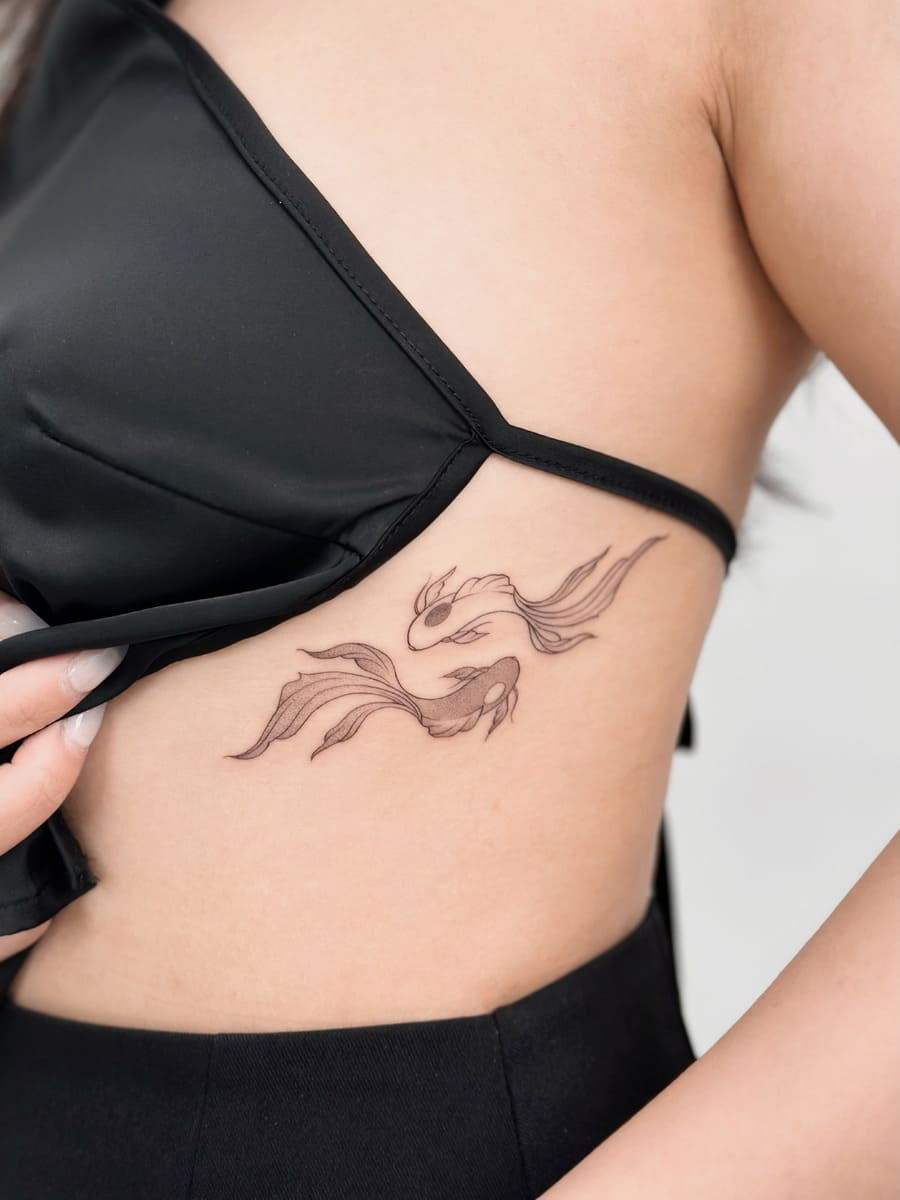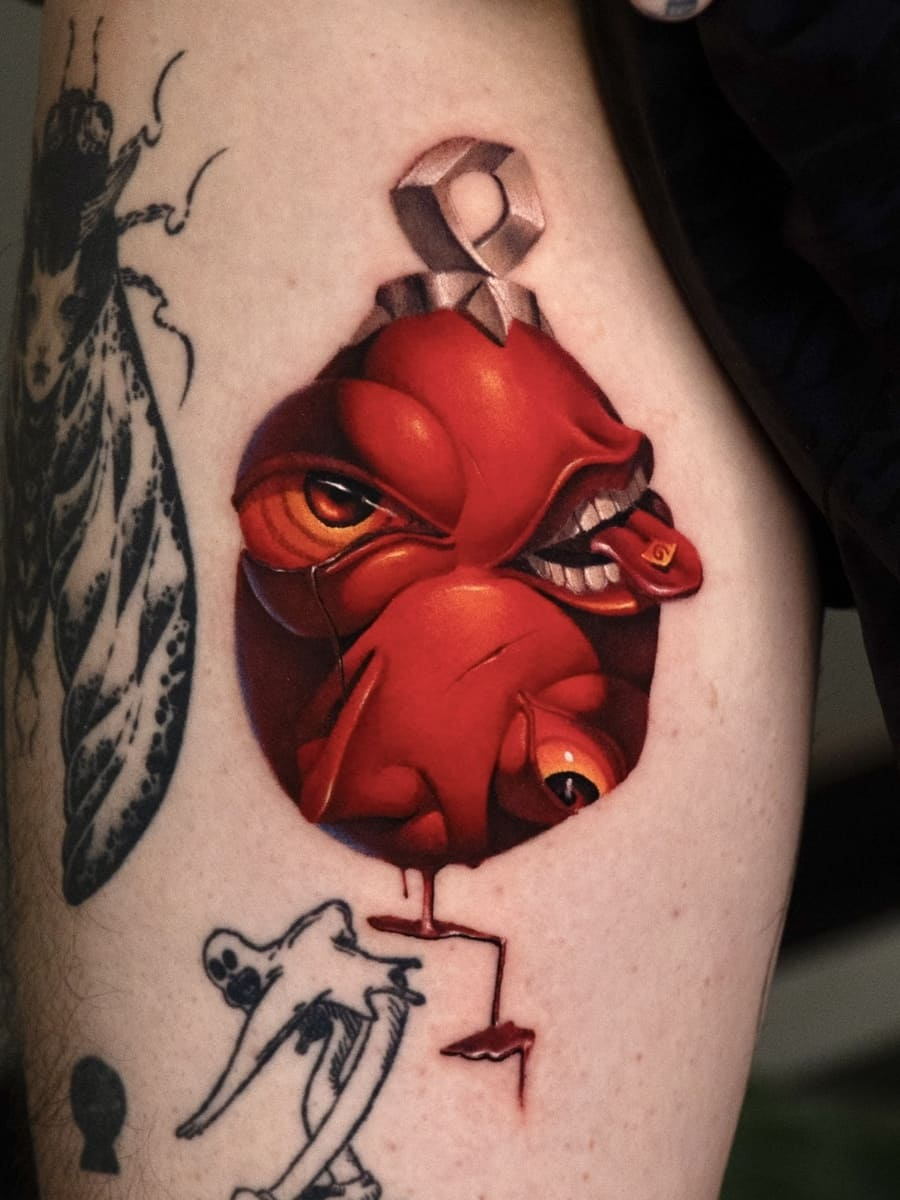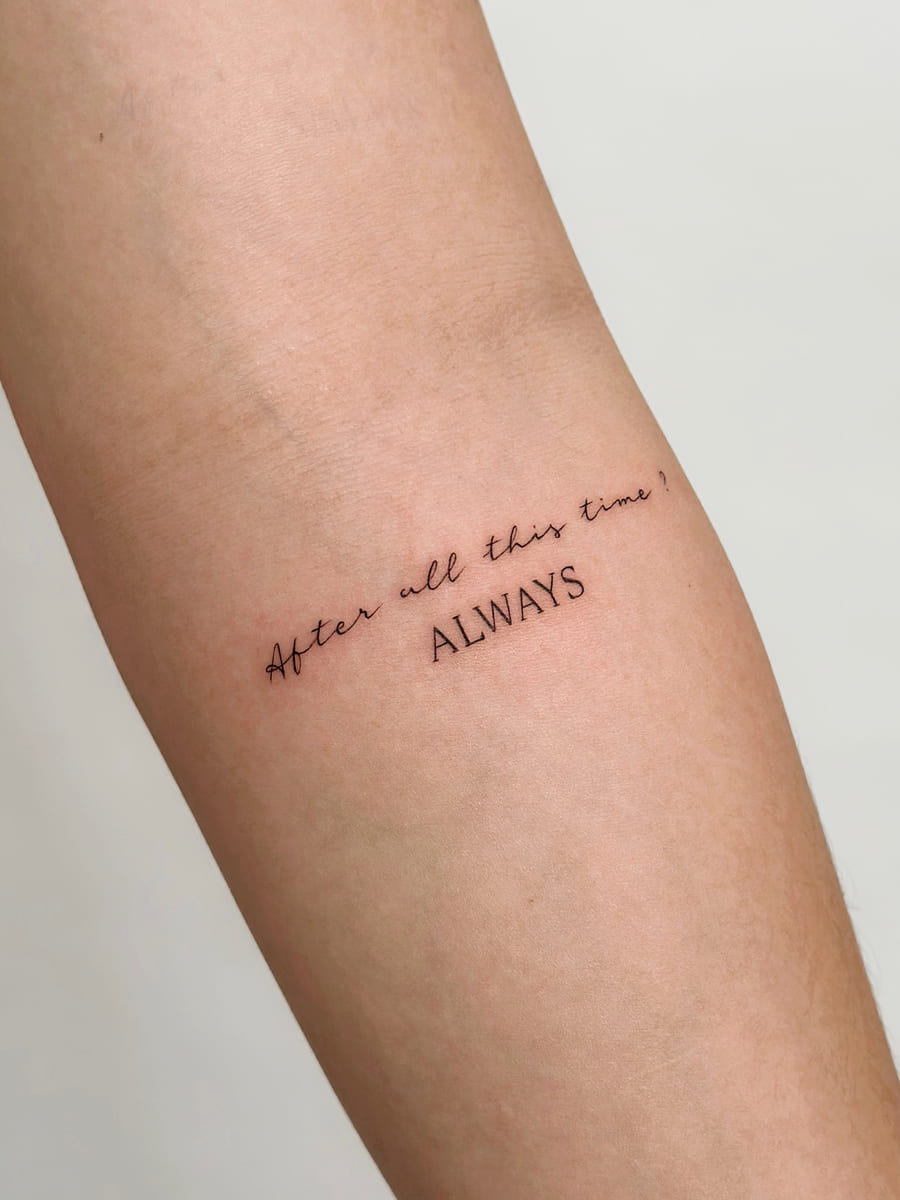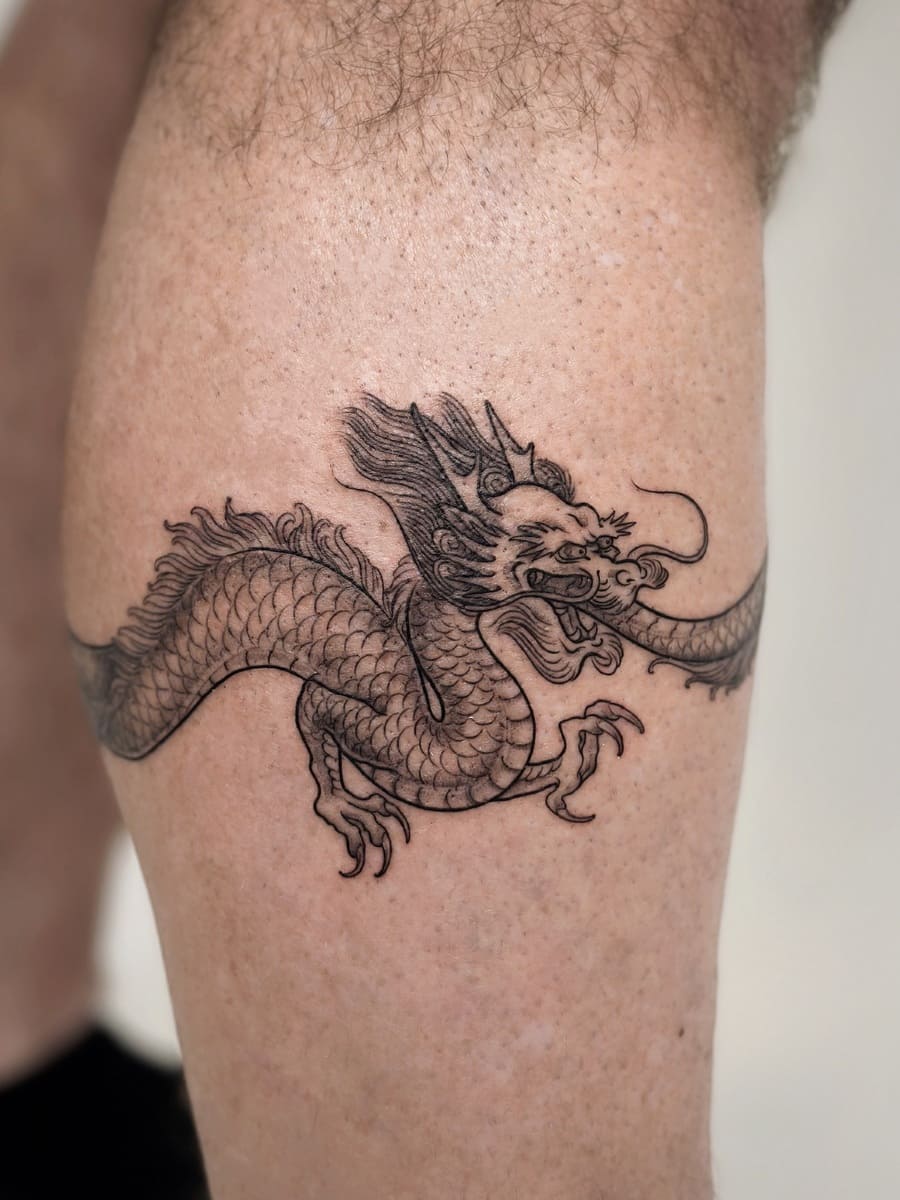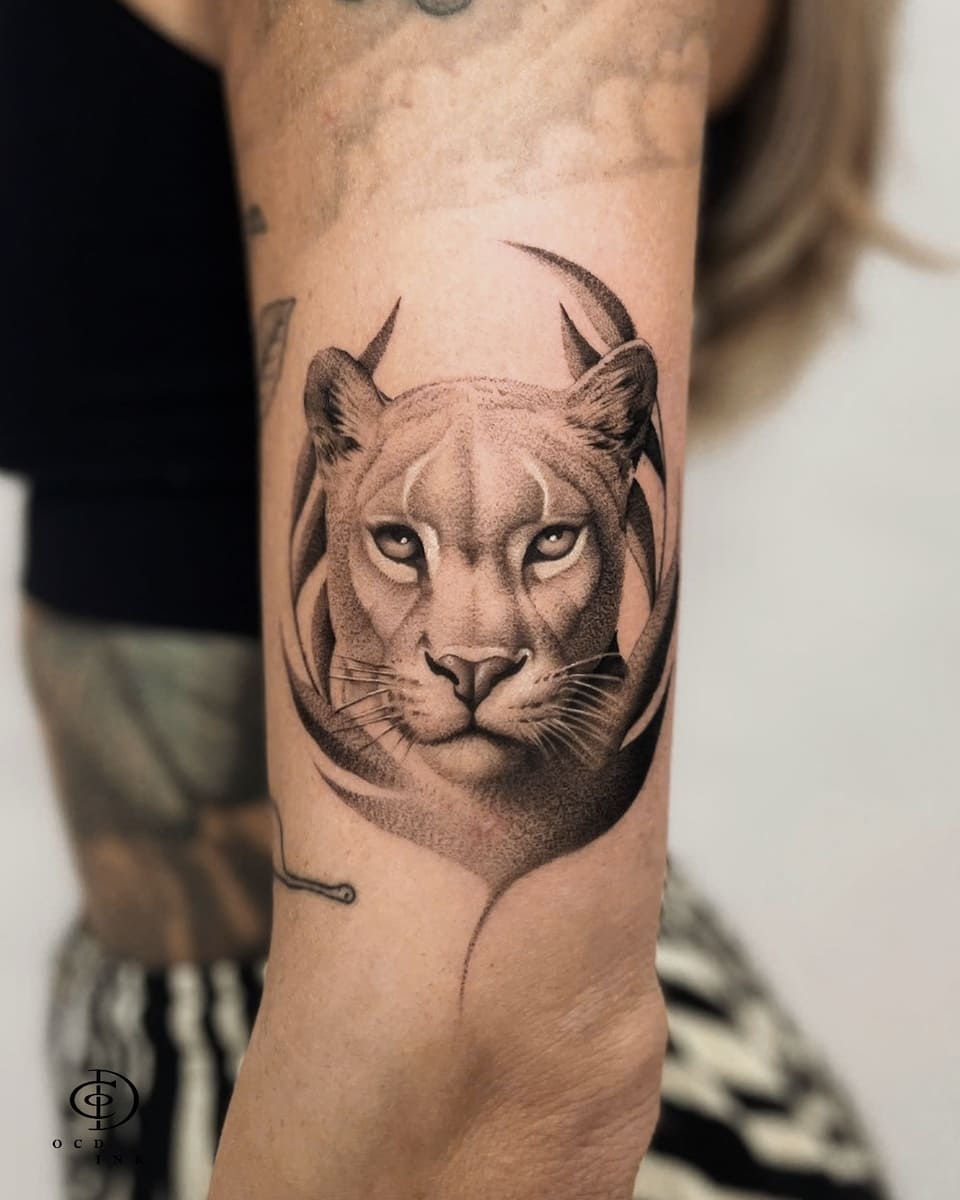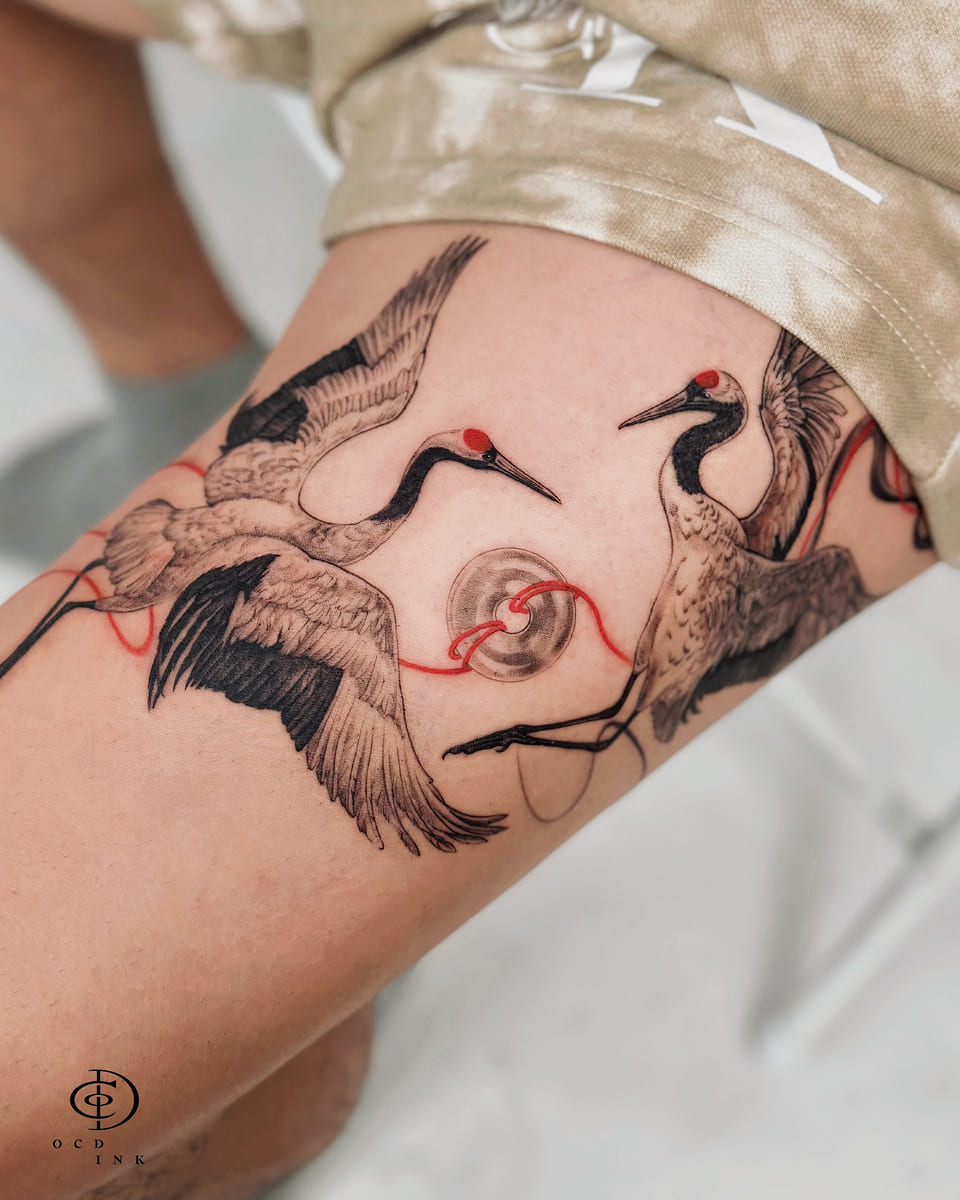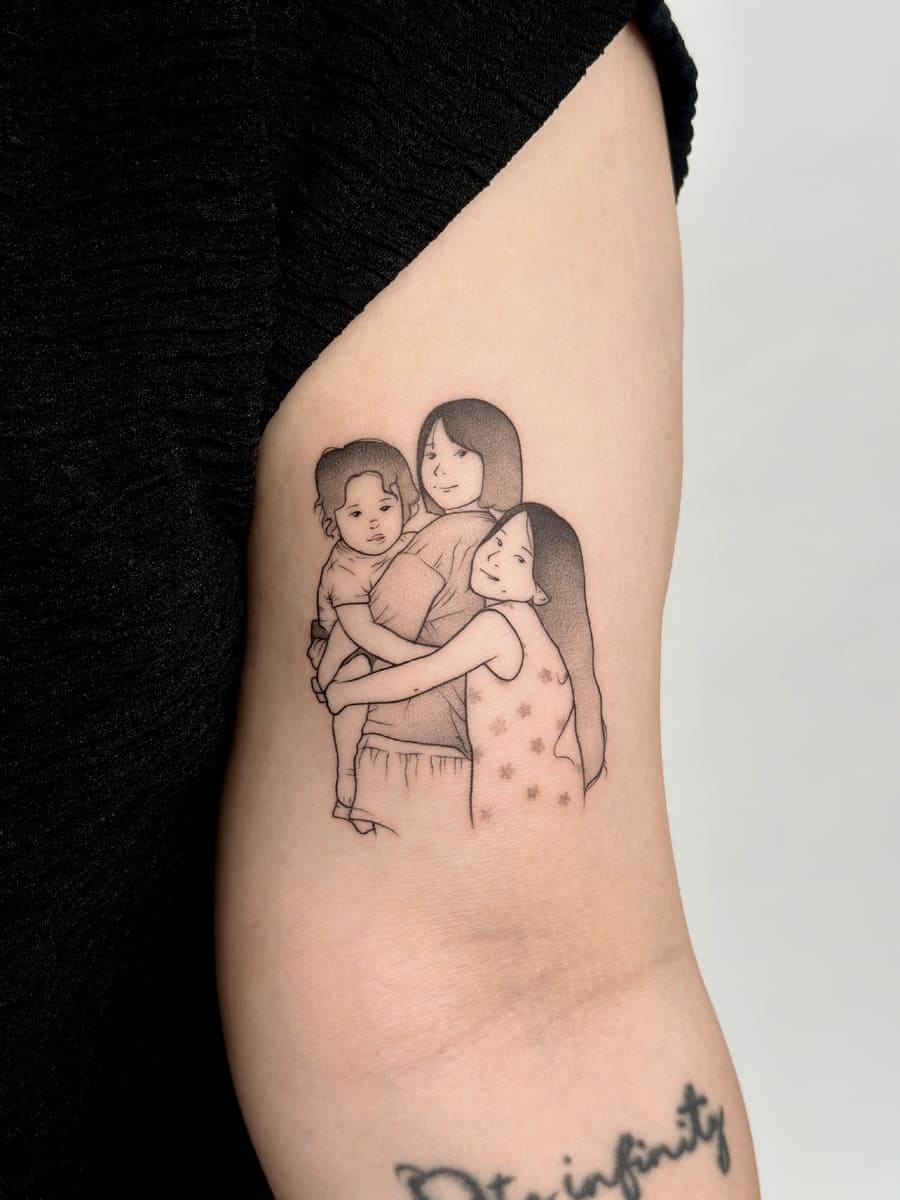
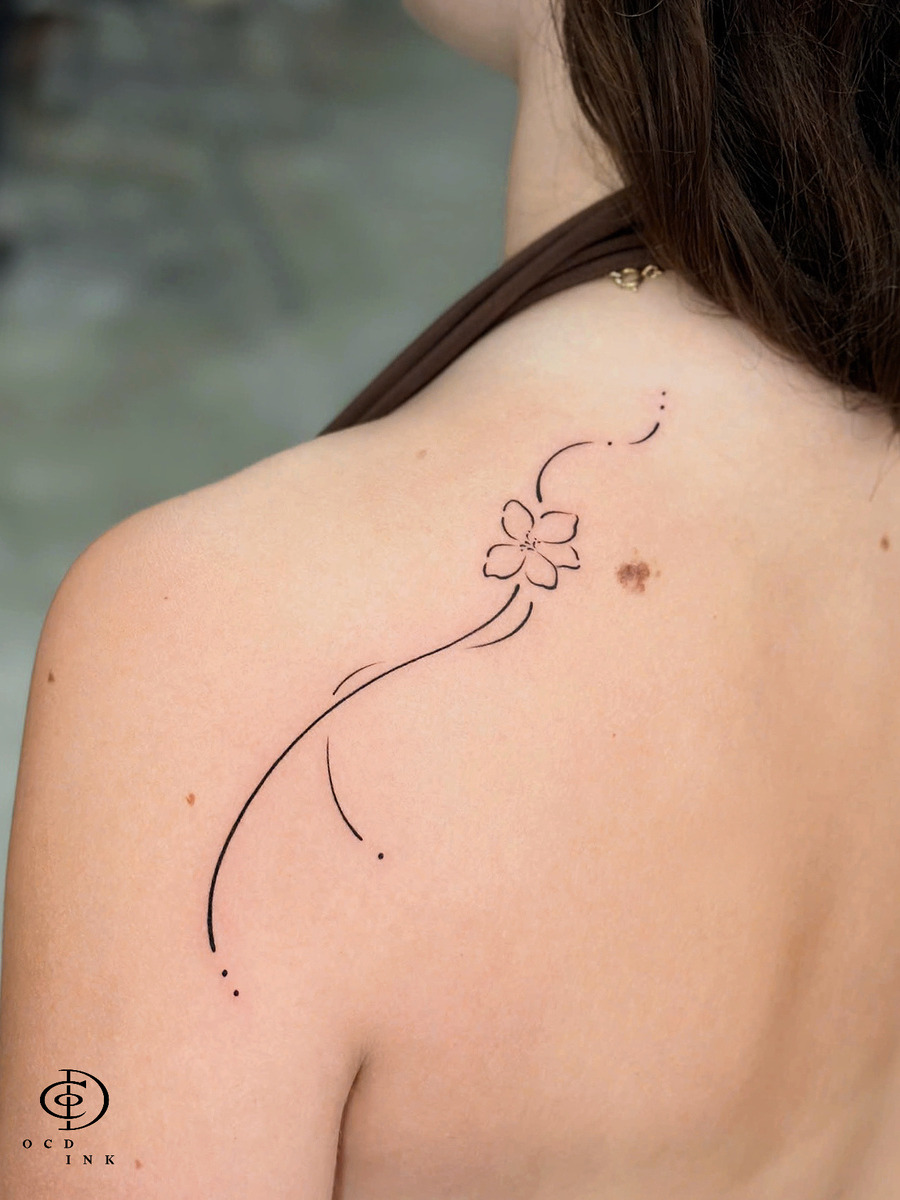
Most tattoos take between 30 minutes and 4 hours. A small piece under 5 cm is usually 15 to 45 minutes, a medium piece of 5 to 15 cm runs 1 to 3 hours, and anything larger than 15 cm typically needs 4 to 8 hours or several sessions.
That is chair time. If you are planning a tattoo around a trip, the number that actually matters is different, because a custom piece also needs consultation, design and healing time. This guide covers both: how long the session takes, and how much of your calendar the whole process needs.
Session Time by Size
| Size | Chair time | Typical designs | Book out |
| Small
(under 5 cm) |
15 to 45 min | Initials, small symbols, minimalist icons | 1 hour |
| Medium
(5 to 15 cm) |
1 to 3 hours | Small animals, mandala outlines, script with a symbol | Half a day |
| Large
(15 cm and up) |
4 to 8 hours, often split | Sleeves, chest panels, back pieces | A full day, or several |
The “book out” column is the one people get wrong. A 45-minute tattoo is not a 45-minute appointment. Add stencil placement, size checks and paperwork and a small piece realistically occupies an hour of your day.
Where the time actually goes
For a two-hour medium tattoo, a rough breakdown looks like this:
- 15 to 20 minutes: arrival, final design review, size and placement checks
- 10 minutes: stencil application, repositioning until it sits right
- 5 to 10 minutes: station setup and skin preparation
- 90 minutes: actual tattooing, including short breaks
- 10 minutes: cleaning, photographs, protective film, aftercare briefing
Roughly a quarter of any appointment is not needle-on-skin. That is not wasted time. Stencil placement in particular is worth being patient about, since a design that sits two centimetres too high is permanent.

What Changes the Duration
- Detail density, not size. A heavily shaded 8 cm piece can take longer than a clean 15 cm outline. Artists price and schedule by time, so a small, dense design can cost and take more than a large simple one.
- Colour versus black and grey. Colour needs layering and blending, and each pass adds time. Black and grey work is generally quicker than the equivalent in colour realism.
- Placement. Flat, stable areas like the outer forearm and thigh are fastest. Ribs, sternum, spine, hands and feet all take longer because the skin moves, the angles are awkward, and clients need more breaks.
- Style. Fine line looks quick and often is not, because consistent needle depth across a whole piece cannot be rushed. Bold traditional work covers ground faster.
- Your pain tolerance. Nobody factors this in and it matters. A client who needs a break every twenty minutes will add an hour to a three-hour piece.
- The artist. Speed varies genuinely between artists. Faster is not better and slower is not more careful. Ask for an estimate rather than assuming.
Time by Placement
| Placement | Estimate | What affects it |
| Forearm and wrist | 30 min to 2 hours | Flat and stable, so this is the fastest area to work on |
| Upper arm and shoulder | 1.5 to 4 hours | Curved surface needs repositioning; generally comfortable |
| Chest | 2 to 5 hours | More breaks needed near the sternum |
| Back and spine | 3 to 8 hours, often multi-session | Large canvas, alignment is critical, lying still is tiring |
| Ribs | 2 to 6 hours | Skin moves with breathing; among the most break-heavy areas |
| Thigh and calf | 1 to 5 hours | Good surface, comfortable, few interruptions |
| Hands, fingers and feet | 30 min to 2 hours | Short sessions but slow work; these areas also fade fastest |
| Neck and behind the ear | 30 min to 2 hours | Sensitive and awkward to position |

Multi-Session Work: How Long Between Sittings?
This is the question that decides whether a large piece is realistic on your timeline, and most guides skip it.
The gap between sessions is usually 2 to 4 weeks. Skin needs to close and settle before an artist can work over or beside the same area. Going back too early means tattooing inflamed skin, which hurts more and holds ink worse.
Practical consequences for a full sleeve:
- A full sleeve is typically 4 to 6 sessions of 4 to 6 hours each
- With 3-week gaps, that is 3 to 5 months of calendar time, not a week
- A two-week holiday can realistically fit one large session, not a finished sleeve
- Adjacent but non-overlapping areas can sometimes be worked sooner; ask your artist
If you want a large piece and you are travelling, the honest options are: complete a self-contained section that looks finished on its own, start it here and continue with an artist at home, or plan a return trip. Our large-scale work page shows how pieces are broken into sections that stand alone.
Planning a Tattoo Around a Trip
For a traveller, “how long does a tattoo take” has three parts, and the session is the shortest of them.
| Stage | Time needed | Can it be done remotely? |
| Enquiry and quote | Same day to 48 hours | Yes, before you fly |
| Custom design and revisions | 2 to 7 days | Yes, if you send references early |
| The session | 30 min to 8 hours | No |
| Critical healing (no sea, pool or sun) | 2 to 3 weeks | Happens while you travel |
The design stage is the one that catches people out. Walking into a studio and asking for a custom piece today usually means either waiting several days or accepting something less considered. Send your idea before you arrive and the whole thing compresses into a single appointment.
Where to put it in your itinerary
- Early in the trip, not the last day. You want access to your artist while it heals, and you do not want to fly with a fresh wound.
- After the beach, not before. Sea, pools and hot springs are out for about two weeks. Ha Long Bay and the Hoi An beaches come first.
- Allow for the shape of your day. A four-hour session leaves you tired. Do not book a night bus afterwards.
- Watch your bag straps. A shoulder piece and a backpack are a bad combination for the following fortnight.
The healing timeline itself, stage by stage, is covered in our guide to the tattoo healing stages.
How Session Length Relates to Cost
Most studios price by time or by piece rather than by centimetre, which is why a small dense design can cost more than a larger simple one. Larger work is usually quoted per session, so the total depends on how many sittings the piece needs.
Full ranges by size, city and style are in our Vietnam tattoo price guide.
Preparing for a Long Session
Anything over three hours rewards preparation. These are the things that actually make a difference.
- Eat properly beforehand. A full meal within two hours. Low blood sugar is the main cause of light-headedness in the chair.
- Sleep the night before. Tired clients report more pain and fidget more.
- No alcohol for 24 hours. It thins the blood, which means more bleeding and poorer ink retention.
- Bring water and snacks. Something with sugar for the third hour.
- Wear clothing that gives access to the area and that you do not mind getting ink on.
- Bring distraction. Headphones and a downloaded playlist or podcast. Conversation is fine for an hour and exhausting for five.
- Agree on breaks in advance. Say up front that you will want a pause roughly every hour. Artists prefer a planned break to a client going quiet and tense.
- Dress for the room. Air-conditioned studios get cold when you have been still for hours. Bring a layer.
Getting an Accurate Estimate
Nobody can time a tattoo from a description. To get a useful estimate, send your artist three things: reference images, the size in centimetres, and the exact placement. With those, most artists can give you a range within a few hours.
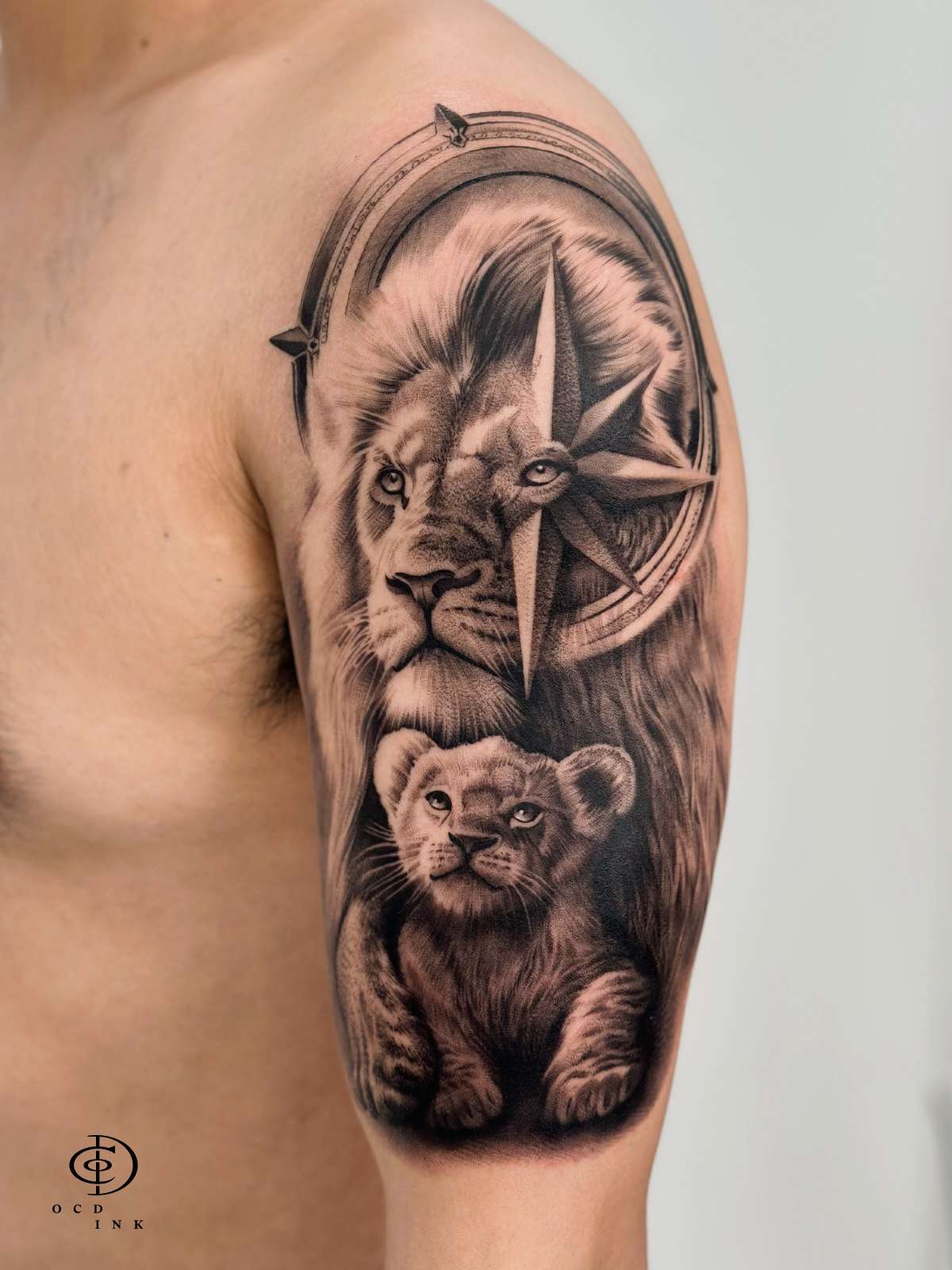
At OCD Ink Studio we give a time estimate alongside the quote, before any deposit, so you can plan the day rather than guess at it. Our artists at the Hanoi and Hoi An studios work by specialisation, which is also why estimates differ between them: a fine line specialist and a colour realism specialist will scope the same design differently.
Book in Hanoi, book in Hoi An, or send your idea for a time and price estimate before you travel.
FAQs
How long does a small tattoo take?
Fifteen to forty-five minutes of tattooing for anything under 5 cm. Allow an hour for the appointment overall, since stencil placement and setup take time too.
How long does a full sleeve take?
Typically 20 to 40 hours of tattooing across 4 to 6 sessions, with 2 to 4 weeks between each. In calendar terms that is 3 to 5 months, so it cannot be finished within a normal holiday.
Can I get a large tattoo in one day?
Up to about 8 hours is possible for an experienced client, but quality drops as both artist and client tire. Most artists cap sessions at 5 to 6 hours for good reason.
Why does my small tattoo cost as much as a bigger one?
Because pricing follows time and difficulty, not surface area. A dense 5 cm design with fine detail can take longer than a simple 15 cm outline.
How long do I have to wait between sessions?
Two to four weeks in most cases, so the skin can close before it is worked again. Tattooing over unhealed skin hurts more and holds ink less well.
How far in advance should I book?
For Hanoi, several days is usually enough. For Hoi An, book earlier, since there are fewer premium studios and peak season fills up. Sending your idea before you fly is the safest approach either way.
Does a longer session mean a better tattoo?
No. It means a more complex design or a slower artist, and those are different things. Judge the outcome on healed results rather than on how long it took.